It’s fascinating to consider how deeply intertwined music and fashion are in shaping cultural identity and personal expression. As you examine into this relationship, you’ll discover how iconic musicians have influenced trends and styles, and how the fashion world often reflects the sounds of the times. From the rebellious flair of punk rock to the glamorous aesthetics of pop stars, your understanding of these connections can enhance your appreciation for both art forms. Join us as we explore the vibrant interplay between music and fashion, and how they continue to inspire one another.
The Soundtrack of Style: How Music Influences Fashion
Music serves not only as a backdrop to our daily lives but also as a powerful catalyst for fashion expression. From the rebellious vibes of punk rock to the opulence of disco, the sounds you enjoy often dictate the trends you embrace. As you connect with particular genres or artists, the styles associated with them may become a vital part of your personal identity, influencing your wardrobe choices, hairstyle, and accessories.
Historical Impact of Music Icons on Fashion Trends
Throughout history, music icons have shaped fashion trends, leaving an indelible mark on cultural aesthetics. From the oversized jackets of grunge rock in the 90s inspired by Kurt Cobain to the glamorous outfits donned by icons like David Bowie and Madonna, their unique styles have set the tone for generations. This influence often transcends simple imitation; it serves as a means of self-expression that can align with your beliefs or aspirations.
The Role of Music Genres in Defining Lifestyle Choices
Your musical preferences can serve as a reflection of your lifestyle choices, often dictating not just what you wear, but how you choose to live your life. For instance, the laid-back, bohemian vibes of folk music can lead you towards a more relaxed, free-spirited fashion sense, while the high-energy beats of EDM might have you gravitating towards vibrant, expressive clothing. These connections create a vivid narrative that informs your identity and how you wish to present yourself in social environments.
Diving deeper into the role of music genres, you’ll find that each has its own set of values and ideals, influencing broader lifestyle choices. A punk enthusiast may adopt an edgy style complete with leather jackets, spikes, and band tees, mirroring the anti-establishment ethos of the genre. Conversely, those gravitating towards hip-hop may favor streetwear, oversized fits, and accessories that reflect status and individuality. This interplay of music and fashion not only defines your aesthetic but can also foster connections within communities that share similar tastes and philosophies.

The Fashion Statements of Musicians: Analyzing Iconic Looks
Musicians have long used fashion as a powerful tool for self-expression, shaping their identities and influencing trends within popular culture. From David Bowie’s androgynous glam rock ensembles to Beyoncé’s stunning stage costumes, these looks often encapsulate the essence of an artist’s message or musical style. By examining the wardrobes of legendary figures, we can gain deeper insight into how their fashion choices resonate with both their artistry and their audience, ultimately creating a lasting impact on the world of fashion.
Signature Styles of Influential Artists
Iconic musicians often develop signature styles that become synonymous with their identity. Think of Elvis Presley’s slicked-back hair and flashy jumpsuits or Madonna’s bold blend of punk and femininity. These distinct fashions not only reflect the artists’ personalities but also serve as a medium through which you connect with their music, effectively enhancing the overall experience of their artistry.
The Cultural Significance Behind Notable Fashion Choices
The fashion statements made by musicians often speak volumes about cultural movements, societal shifts, and personal narratives. From the rebellious attire of punk rockers challenging the establishment to the flamboyant styles of hip-hop artists promoting individuality, the clothing choices of musicians become a part of the cultural fabric, mirroring the zeitgeist of their times.
Your appreciation for musical artistry expands when you consider how fashion intertwines with cultural significance. For instance, the vibrant colors and bold patterns favored by artists like Prince not only showcase a unique aesthetic but also express wider themes of liberation and self-acceptance. Similarly, the grunge movement’s frayed jeans and plaid shirts reflected a generation’s disillusionment with the status quo. Each fashion choice captures a moment in time, telling stories of cultural rebellion, identity exploration, and the quest for belonging, transforming mere clothing into a revolutionary statement that resonates with your own experiences and the world around you.
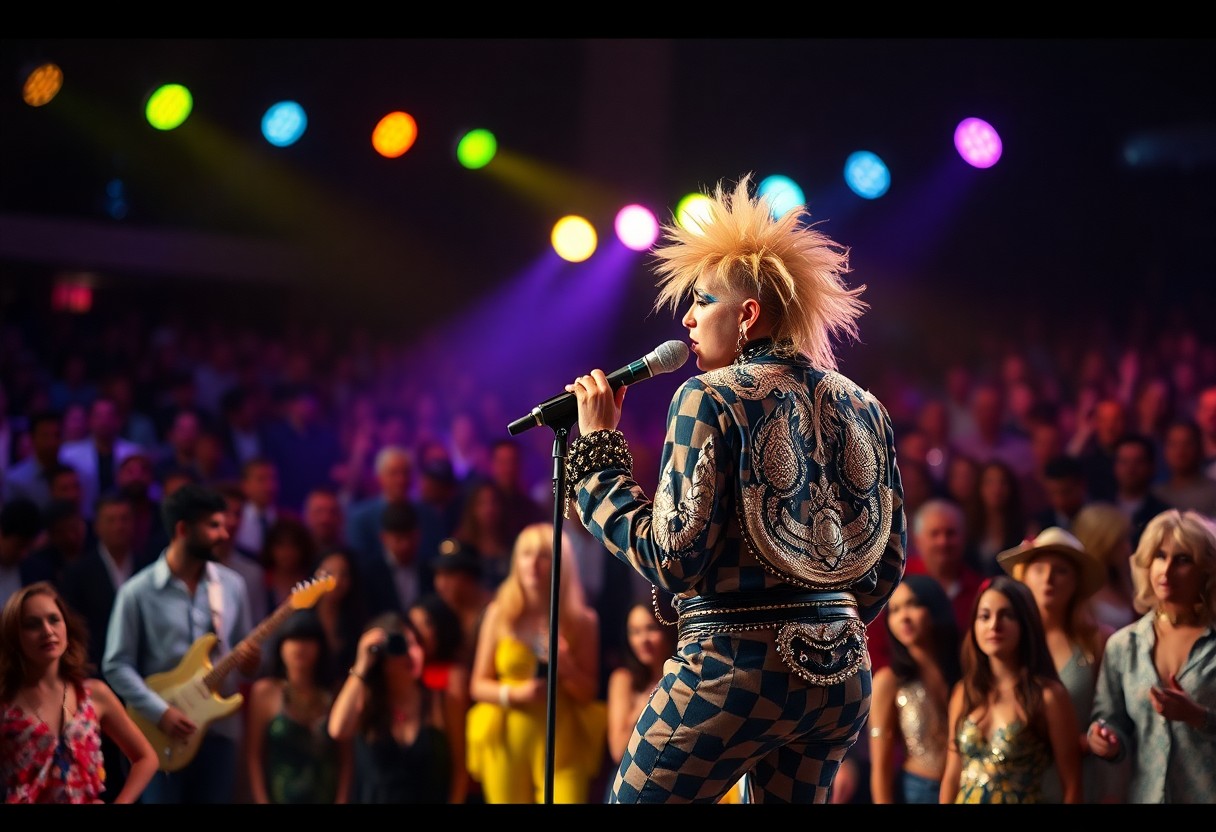
The Reciprocal Relationship: Fashion’s Influence on Music
Fashion holds a unique influence over music, often shaping how artists express their identities and styles. Musicians frequently draw inspiration from contemporary fashion trends, blending aesthetics to define their personas and connect with audiences. Through their clothing choices, they convey narratives that resonate well beyond the sonic experience, allowing fashion to reinforce music’s emotional impact and cultural significance.
How Fashion Trends Shape Musical Performances and Album Aesthetics
Your favorite artists’ performances are often a visual spectacle, carefully curated to complement their sonic artistry. The choice of outfits and stage designs is driven by current fashion trends, as seen in the extravagant costumes of pop stars like Lady Gaga or the streetwear-inspired looks of hip-hop artists. These styles not only enhance the overall experience but also serve as a reflection of societal attitudes and trends, creating a cohesive image that resonates with fans.
The Intersection of High Fashion and Music Festivals
High fashion and music festivals create a thrilling synergy where art and style collide. Events like Coachella and Glastonbury are not only soundscapes but also runways, showcasing bold fashion choices from both performers and festival-goers. Designers often partner with musicians to create exclusive collections that capture the spirit of the festival, transforming musicians into trendsetters within the fashion world. For instance, during the 2021 Met Gala, several stars wore outfits designed by renowned fashion houses, solidifying music’s place in high fashion while sparking trends that permeate mainstream culture.
The Business of Trendsetting: Marketing Music Through Fashion
Integrating music and fashion creates a powerful marketing strategy that captivates audiences. By aligning musical ventures with fashion brands, artists can amplify their reach and create new revenue streams. Your favorite musicians often endorse fashion lines, leading to increased visibility and sales, while brands leverage artists’ influence to attract and retain fans. As you navigate your own style, consider how music trends shape perceptions and affect what you wear, from iconic band t-shirts to luxury collaborations.
Collaborations Between Brands and Musicians
Collaborations between brands and musicians produce a dynamic synergy, merging creative expressions and consumer markets. Brands like Adidas have partnered with musicians like Kanye West to create lines that reflect both musical artistry and street style. This alliance not only enhances the brand’s image but also allows you to purchase a piece of your favorite artist’s vision, resonating with the cultural zeitgeist.
The Economic Impact of Fashion-Forward Music Marketing
Fashion-forward music marketing significantly boosts the economy through increased brand visibility and consumer spending. The partnership between artists and fashion brands often results in limited-edition collections that drive competition and demand, inflating sales numbers. For instance, a $1 billion revenue boost for Rihanna’s Fenty and Puma collaboration illustrates how music and fashion can elevate each other’s standing in the marketplace. This fusion not only leads to higher profits but also revitalizes fashion trends, influencing your wardrobe choices while encouraging loyal purchases.
As you explore the economic landscape shaped by fashion-forward music marketing, consider the transformative power these collaborations hold. For example, Taylor Swift’s partnership with Stella McCartney sold out several collections, demonstrating how your purchasing choices directly impact brand success. These trends create a ripple effect, prompting other brands to innovate and engage with artists, ultimately fueling a robust cycle of cultural consumption that benefits both the music and fashion industries. Your participation in these trends helps sustain this economic momentum, making it crucial for the continued growth of these intertwined sectors.
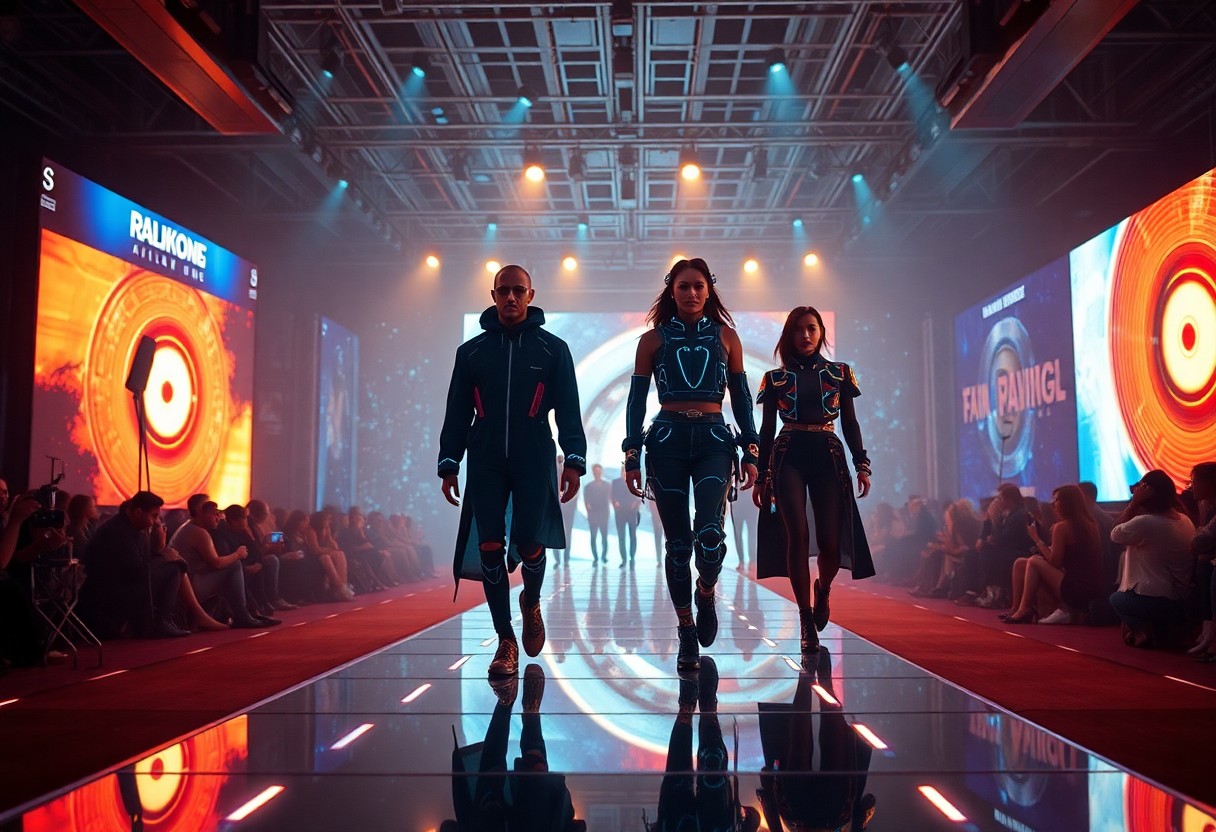
The Future of Music and Fashion: Trends to Watch
Observing the evolving landscape, you’ll notice distinct trends shaping the future of music and fashion. The intertwining of these realms indicates a shift towards immersive experiences, sustainability practices, and innovative technologies redefining creative expression. As artists collaborate with designers, you’re bound to see unique partnerships that challenge traditional aesthetics and embrace new forms of interaction, propelling both industries forward.
The Rise of Virtual Reality and Digital Fashion in Music
As technology advances, virtual reality (VR) and digital fashion are becoming integral to the music experience. Artists are experimenting with immersive VR concerts, allowing you to step into a multi-sensory environment where fashion takes on a digital life. Brands like Roblox have collaborated with musicians to create virtual clothing, giving you the ability to express your style while enjoying your favorite tunes. This merging of entertainment and fashion opens endless possibilities for new artistic formats.
Sustainability Trends and Their Impact on Artistic Expression
Sustainability trends are prompting musicians and designers to rethink their approach to creativity. By prioritizing eco-friendly materials and practices, both industries are leading a shift that resonates deeply with your values as a consumer. This newfound consciousness is inspiring artists to use their platforms for authentic storytelling, conveying messages of environmental responsibility through fashion choices in music videos and live performances.
The impact of sustainability on artistic expression is not just a passing trend; it’s a movement transforming how you perceive fashion within the music scene. Musicians are increasingly advocating for sustainable brands, championing upcycled materials and ethical production methods as part of their branding. For example, Billie Eilish has partnered with eco-friendly fashion brands, revolutionizing how your favorite artists incorporate responsible practices into their wardrobes. These choices reflect a global awareness that resonates with you and encourages a deeper connection to the music and fashion you cherish.
Summing up
So, as you explore the relationship between music and fashion, you’ll find that both are powerful forms of self-expression that continuously influence one another. Your choice of music can shape your style, just as fashion trends can mirror the prevailing sounds of the moment. By understanding this dynamic interplay, you can enhance your personal style while deepening your appreciation for the artists and genres that inspire you. Embrace this synergy to create a unique aesthetic that reflects your individuality.
FAQ
Q: How does music influence fashion trends?
A: Music has long been a significant driving force in the evolution of fashion trends. Artists often set styles that their fans emulate, leading to wide-scale adoption of particular looks. For instance, the punk movement, which was characterized by its rebellious attitude, heavily influenced fashion in the 1970s and 1980s with leather jackets, ripped jeans, and bold hairstyles becoming popular. In contemporary times, fashion designers frequently draw inspiration from music genres and musicians, creating collections that reflect the aesthetics and attitudes of specific musical movements.
Q: Can you provide examples of musicians who have shaped fashion?
A: Numerous musicians have significantly shaped fashion over the decades. Icons like David Bowie and Madonna are known for their distinct styles that merged music with visual art, creating trends that transcended their music. More recently, artists like Rihanna and Pharrell Williams have ventured into fashion design, launching successful clothing lines that blend their musical identity with current fashion trends. Additionally, the influence of hip-hop culture has led to the proliferation of streetwear brands, which often see collaborations with prominent musicians, blurring the lines between the two fields.
Q: How do fashion designers collaborate with the music industry?
A: Many fashion designers collaborate with musicians to create unique collections or limited-edition pieces that resonate with fans of both the music and fashion. These collaborations often involve the designer providing wardrobe pieces for music videos, stage performances, or promotional appearances. Additionally, designers may engage in co-branded fashion lines with artists, leveraging the musicians’ fan base to promote their designs. This intersection not only enhances the visibility of the designer’s work but also allows the musician to convey their personal style further, creating a synergistic relationship between the two creative fields.