Revolutions often give rise to powerful expressions of discontent and aspiration, with music serving as a pivotal tool for change. You may not realize how songs and rhythms can help unite people, convey messages, and inspire movements.
Throughout history, music has become the anthem of cultural revolutions, fueling the spirits of those seeking social justice and equality. In this blog post, you’ll explore the profound impact of music on societal shifts and how it shapes collective identity during times of change.

The Soundtrack of Social Change
Music encapsulates the spirit of social movements, offering a shared experience that galvanizes, unites, and motivates individuals in the pursuit of change. Anthems of struggle and hope resonate with activists, allowing them to echo their desires and aspirations through collective sound.
The cacophony of your voices, harmonized by music, becomes a clarion call for justice, demanding attention and igniting passion on the front lines of cultural battles.
Notable Movements and Their Anthems
Throughout history, distinct movements have been defined by their anthems—songs that define their ethos and rally support.
For instance, “We Shall Overcome” emerged as a staple for the Civil Rights Movement, while “Get Up, Stand Up” became synonymous with the fight against oppression and colonization in the Caribbean.
These anthems instill courage, weaving together personal resolve and collective determination, making each note a vital part of the movement’s identity.
The Role of Lyrics in Inspiring Action
Lyrics have an exceptional power to communicate urgency and intent, often encapsulating the frustrations and hopes of those seeking change.
For example, Bob Dylan’s “The Times They Are a-Changin'” was more than just a song; it became an emblematic call to action during the 1960s, urging listeners to adapt to a shifting societal landscape.
Such lyrics resonate deeply, echoing the sentiments of millions and serving as an inspiration that transcends generations.
When you listen to a song with lyrics that capture the injustices and dreams of your community, it can ignite a fire within you. The words evoke a deep sense of urgency, encouraging you to take action, get involved, and advocate for change.
Powerful examples include Billie Holiday’s “Strange Fruit,” which not only exposes the horrors of racism but also stirs deep emotional responses and spurs individuals into action.
Songs with evocative lyrics can create solidarity amongst listeners, reminding you that you’re part of something greater, forging connections that amplify the call for justice and equity.
Beats as a Tool for Unity
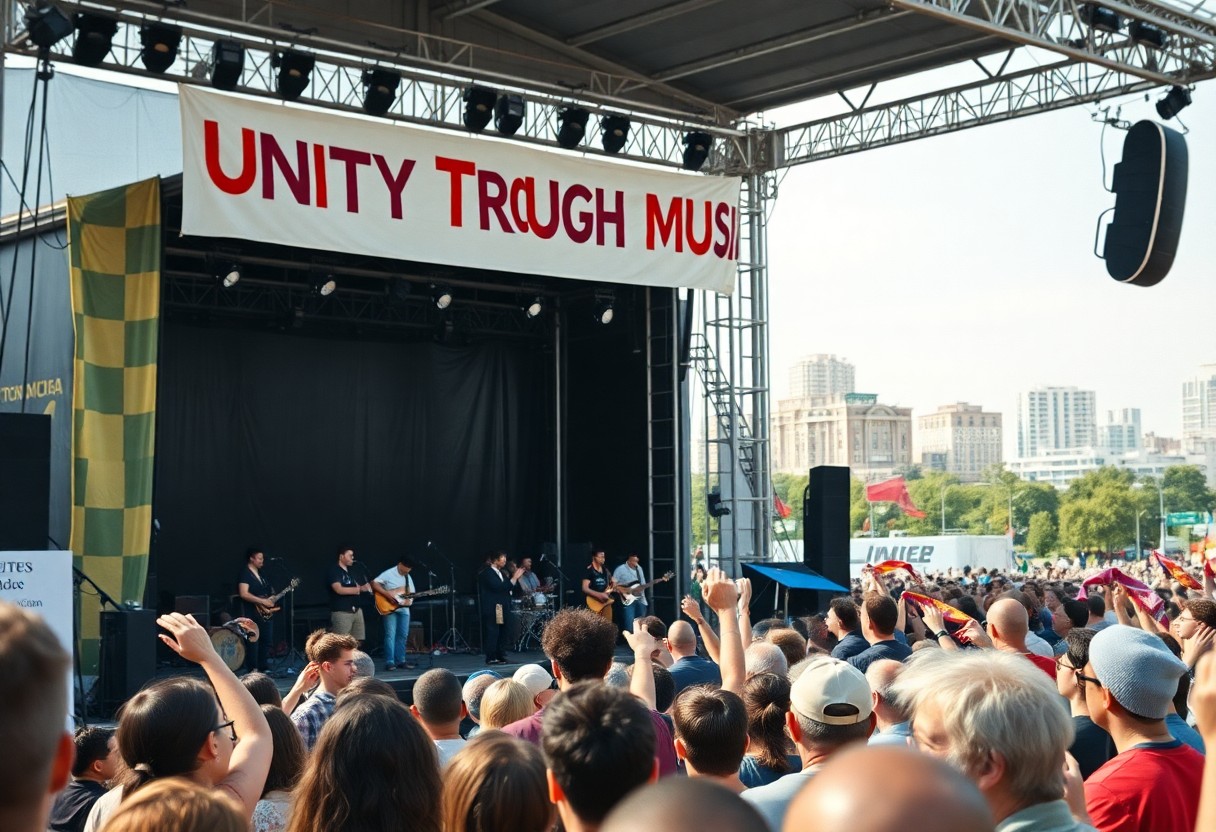
Bringing people together, music creates an undeniable sense of solidarity among diverse groups. The rhythmic pulse of a track or the enchanting melody of a song fosters a collective identity that transcends individual differences.
In movements like the civil rights protests, anthems such as “We Shall Overcome” unified marchers, igniting a shared purpose. Music’s infectious energy encourages participation, inviting listeners to set aside personal grievances and join in a singular experience towards a common goal.
Music’s Ability to Bridge Cultural Divides
Your favorite songs may cross borders and cultures, acting as universal communicators. Music often serves as a channel through which different traditions and backgrounds coalesce. Artists like Shakira and Bob Marley embody this phenomenon, using their global platforms to promote unity in diversity.
By fusing varying cultural elements into their work, they invite audiences to appreciate multiple perspectives while reinforcing the message that humanity shares more commonalities than differences.
Collective Experiences: Concerts as Activism
Concerts often operate as much more than entertainment; they become rallying points for activism. When artists take the stage, they fuse their music with messages that resonate with societal issues, galvanizing audiences into action.
The “Live Aid” concert of 1985, which raised funds for famine relief in Ethiopia, exemplifies how a collective musical experience can ignite social change. These gatherings transform passive listeners into active participants advocating for critical causes.
Concerts have the power to cultivate a sense of community surrounding pressing social issues. At events like “Coachella,” renowned artists often use their platforms to address topics such as climate change, racial injustices, and health crises, inspiring fans to engage actively in these global conversations.
Attendees often leave empowered and motivated to advocate for change, illustrating how collective experiences at concerts extend beyond mere enjoyment into activism and social responsibility. Whether through singing along to politically charged lyrics or participating in fundraising efforts, the impact of music in these settings cannot be dismissed.
Your shared experiences at these large gatherings foster a profound sense of collective agency and inspiration for continued efforts in activism.
Digital Age Dynamics: Music’s Evolving Influence
In the digital era, music transcends traditional boundaries, shaping and influencing cultural revolutions more rapidly than ever before. The proliferation of technology has democratized music creation and distribution, allowing diverse voices to emerge and connect across global platforms.
Today, the arts serve not only as a medium of expression but also as a catalyst for social change, igniting movements and giving rise to new narratives within the digital landscape.
Streaming Platforms and Grassroots Movements
Streaming platforms have become vital tools for grassroots movements, providing an accessible means to share music that resonates with social and political causes. Artists often use these platforms to amplify their messages, drawing in millions of listeners who can support change with a simple stream or share.
The ease of access allows underrepresented voices to enter the mainstream conversation, rallying listeners around shared values and motivations.
Virality and the Quickening of Cultural Revolutions
The phenomenon of virality has compressed timelines for cultural revolutions, with songs and movements gaining widespread recognition almost overnight. A single tweet, TikTok video, or viral hashtag can propel a song into the public consciousness, transforming it into an anthem for social change.
This immediacy challenges traditional gatekeepers, allowing movements to burgeon organically, often without the backing of major labels or traditional media.
Viral trends illustrate the rapid evolution of cultural revolutions, as music that captures the public’s attention can lead to immediate action and widespread mobilization. For example, the song “I Can’t Breathe” by H.E.R. surged in popularity during the Black Lives Matter movement, merging seamlessly with protests and calls for justice.
Each share, remix, or reinterpretation introduces new layers to the message, fostering community spirit and rallying support for a cause.
The once-distant role of music in driving change has become intricately intertwined with the speed and scale of digital communication, showcasing how rapidly a catchy melody can inspire activism on a global level.
Psychological Impact: Why Music Matters in Times of Turmoil
The psychological effects of music during turbulent times cannot be overstated. It serves as a catalyst for emotional release and reflection, allowing individuals to navigate complex feelings such as anger, sadness, and hope.
In moments of societal upheaval, music creates communal experiences that foster resilience and encourage collective memory, reinforcing the values and aspirations that unite people amid chaos.
The Neuroscience of Music and Emotion
Understanding the neuroscience behind music reveals its powerful impact on emotional well-being. Research indicates that listening to music activates brain regions associated with reward, emotion, and even social connectedness.
This neurological response explains why a song can evoke vivid memories or transport you to a different time and place, making it a therapeutic ally during distressing events.
Music as a Coping Mechanism During Social Strife
Music plays a vital role as a coping mechanism in the face of social strife, offering comfort and catharsis. Individuals often turn to lyrics that resonate with their experiences, gaining a sense of validation and understanding.
The act of sharing music with others fosters a communal support system that can alleviate feelings of isolation, promoting healing and solidarity during challenging times.
Music not only reflects the societal struggles you’re witnessing but can also empower you to cope with your realities. When you listen to protest songs or anthems that encapsulate your experiences, it creates a shared understanding and collective resistance to oppression.
Engaging with music—whether through participation or passive listening—demonstrates that you are not alone. Historical movements like the Civil Rights Movement showed how songs like “We Shall Overcome” united people, reinforcing collective identity and resilience in the face of adversity.
By leaning into this art form, you tap into a powerful tool that offers both reassurance and motivation to persevere.
Generational Shifts: How Youth Cultures Shape Movements
Young people have always been at the forefront of cultural revolutions, using music as their battle cry. The innovative spirit of youth cultures often sparks movements that challenge the status quo, from the defiant anthems of punk rock in the 1970s to today’s socially-conscious hip-hop.
Each generation harnesses music as a means to express discontent and demand change, marking the transition from one societal norm to another. Through their unique sound, emerging artists inspire collective action and ignite passion, underscoring the potent role of music in shaping cultural narratives.
The Influence of Subcultures on Mainstream Music
Subcultures serve as incubators for innovative musical styles that eventually permeate the mainstream. Genres like grunge, hip-hop, and electronic music originated in specific youth subcultures, often reflecting their members’ struggles, identity, and experiences.
As these sounds gain traction, they challenge existing musical conventions and introduce new themes, styles, and artistic collaborations. The seamless blending of these subculture roots into mainstream music keeps it evolving and relevant, encouraging wider audiences to engage with the underlying messages.
Changing Tastes and Their Political Implications
The shifting preferences in music often mirror broader societal changes, signaling evolving political landscapes.
As younger generations gravitate towards genres that emphasize social justice and activism, like punk and hip-hop, they inadvertently promote political discourse around issues such as race, inequality, and environmentalism.
This trend reflects a growing awareness and desire for change, shaping how artists approach their work and engage with their audiences.
For instance, the rise of protest music during significant political moments underscores how musical tastes evolve in relation to societal needs.
In the 1960s, artists like Bob Dylan and Joan Baez used their platforms to advocate for civil rights, while modern musicians like Billie Eilish and Kendrick Lamar address pressing climate issues and systemic injustice through their lyrical content.
As tastes shift towards more conscious themes, your understanding of music’s role in political activism broadens, prompting a response from both listeners and artists poised to enact change.
Summing up
So, as you reflect on the role of music in cultural revolutions, you’ll appreciate how it serves as a powerful catalyst for change, fostering unity and inspiring action.
Through its ability to convey messages, ignite emotions, and challenge societal norms, music connects individuals to broader movements.
Your understanding of this relationship allows you to recognize how deeply intertwined music is with cultural identities and social progress.
Ultimately, music has the potential to shape your experiences and elevate collective voices during transformative times.
FAQ
Q: How has music historically influenced social movements?
A: Music has played a significant role in inspiring and uniting individuals during social movements throughout history. It serves as a tool for protest, allowing people to express their aspirations, grievances, and solidarity.
An example of this can be seen in the civil rights movement in the United States, where songs like “We Shall Overcome” became anthems of hope and resilience. Additionally, music can help to shape public opinion and raise awareness about social issues, encouraging broader participation in cultural revolutions.
Q: What are some examples of specific songs that have been central to revolutionary movements?
A: Numerous songs have been central to various revolutionary movements around the world. “La Marseillaise,” the French national anthem, is a notable example that became a rallying cry during the French Revolution.
In more contemporary contexts, “Imagine” by John Lennon has echoed themes of peace and unity, resonating with numerous movements advocating for social change.
Similarly, protest songs during the Vietnam War, such as “Fortunate Son” by Creedence Clearwater Revival, highlighted anti-war sentiments and galvanized the youth to act against military engagement.
Q: How can music facilitate cultural identity during revolutions?
A: Music can be a powerful medium for expressing and reinforcing cultural identity, especially during times of upheaval. It provides a framework for communities to share their stories, traditions, and values, which can be particularly important when those identities are under threat.
For instance, during the anti-apartheid movement in South Africa, the popularization of music genres like mbaqanga and kwela helped to assert black cultural identity and resilience.
Furthermore, musical festivals and gatherings can serve as platforms for cultural expression, fostering unity and solidarity among diverse groups striving for change.