Over the years, music videos have revolutionized the way you experience music, transforming artists into icons and shaping societal trends. From fashion and dance to social movements, these visual representations have the power to influence your perceptions and values, for better or worse.
You may not realize it, but each beat and frame contributes to a larger cultural narrative that impacts your everyday life. In this blog post, we will explore how music videos resonate within your world, both positively and negatively.
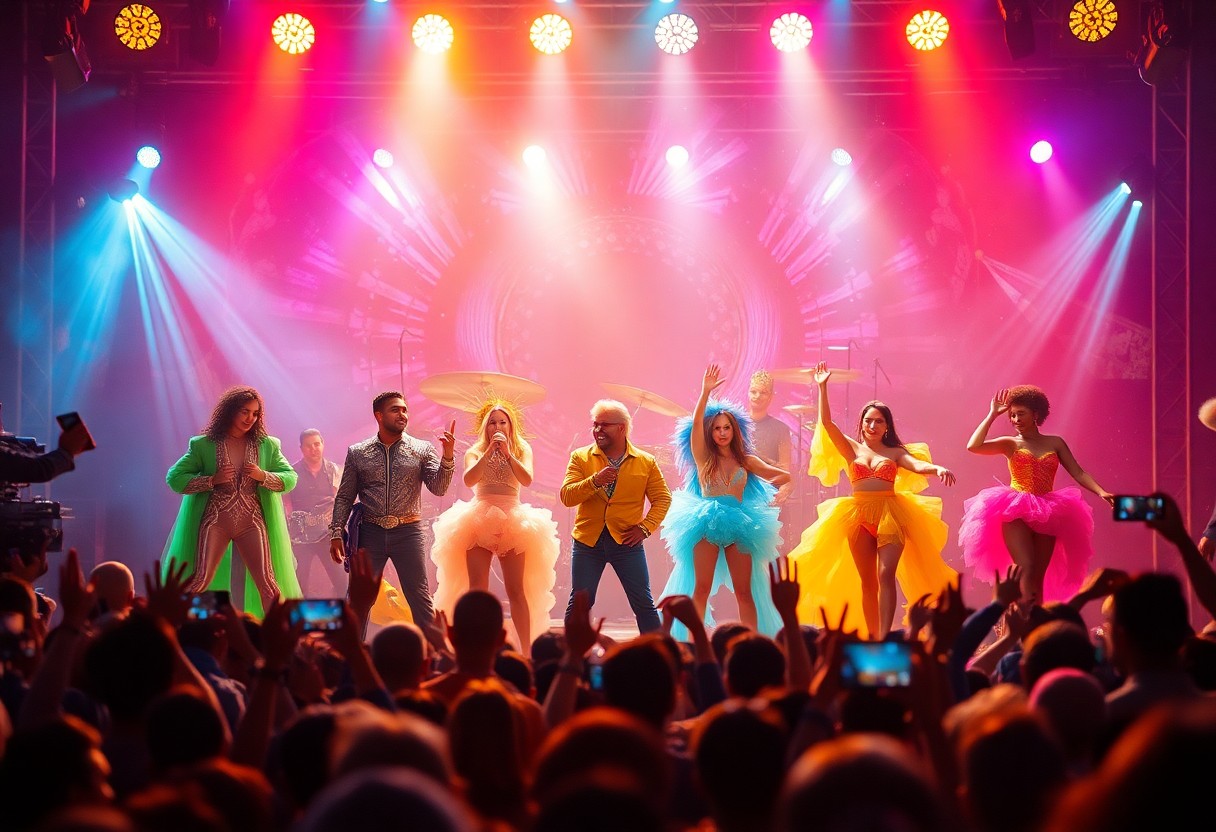
Key Takeaways:
- Music videos serve as a powerful visual medium that enhances the storytelling aspect of songs, shaping audience interpretation and emotional connection to the music.
- The rise of platforms like MTV and YouTube has transformed music videos into vital marketing tools, influencing trends in fashion, dance, and social behaviors across generations.
- Music videos often reflect and challenge social norms, addressing themes of identity, politics, and culture, thereby playing a significant role in shaping societal dialogue.

The Evolution of Music Videos
The evolution of music videos reflects the shifting landscape of popular culture and technology. From simple short films accompanying songs to full-fledged productions with elaborate storytelling, music videos have adapted to meet the demands of audiences and artists alike. As you explore their journey, you’ll see how innovation and creativity have shaped the way you engage with your favorite music.
Historical Overview
Historical analysis reveals that music videos originated in the 1920s with the advent of synchronized sound films. As genres evolved, the 1980s marked a significant turning point, when channels like MTV popularized music videos, transforming them into an imperative promotional tool for artists and changing how you perceive music.
Technological Advancements
The rise of digital technology has revolutionized music videos, allowing for high-quality visuals and diverse formats. With easy access to editing tools and platforms like YouTube, you can now create and share music videos from anywhere, vastly expanding your creative potential and audience reach.
But the advancements in technology come with challenges. While high-definition visuals and accessible editing software offer opportunities for artistic expression, they also contribute to oversaturation and the struggle for visibility in a crowded market.
Additionally, the ease of sharing can lead to copyright issues and ethical concerns regarding content ownership. As you navigate this landscape, it’s imperative to balance innovation with a mindful approach to your creative process.
Music Videos as Cultural Artifacts
If you consider the evolution of music, you will find that music videos are significant cultural artifacts that reflect societal values, shifts in artistic expression, and technological advancements.
They serve not only as promotional tools for songs but as visual narratives that capture the zeitgeist of their respective eras. These videos often hold up a mirror to the world around you, showcasing the diverse tapestry of human experience and emotion through artistry and storytelling.
Representation of Social Issues
Behind the vibrant visuals and catchy melodies, music videos have often illuminated pressing social issues, offering commentary on topics such as inequality, racism, and mental health.
Through powerful imagery and storytelling, artists channel their platform to raise awareness and provoke thought, urging you to confront uncomfortable realities while inspiring change. By addressing these subjects, music videos become potent vehicles for advocacy and social progress.
Influence on Fashion and Trends
Before music videos became a staple in the industry, artists often relied solely on audio to captivate audiences. Now, you can see how music videos have transformed into a powerful beacon of style, inspiring fashion trends and grooming choices among fans.
Every new release often sets off a wave of imitation, with viewers eager to adopt the visual aesthetics presented by their favorite artists.
Indeed, the influence of music videos on fashion trends cannot be overstated. Major artists often collaborate with top fashion designers, making their music videos a showcase for innovative styles and bold trends.
You might spot high-profile pieces making headlines after debuting in a music video, fueling demand and dictating what you’ll see on the streets. These visual spectacles not only shape your wardrobe choices but also impact cultural identity, helping to establish a sense of belonging or individuality.
The emotional resonance and aesthetic appeal of these videos invite you to engage with and express your personal style and values.
The Role of Music Videos in Artist Branding
All artists understand the significance of music videos in shaping their public persona. These visual narratives not only complement the music but also enhance your identity as an artist.
By showcasing your style, themes, and creative vision, music videos become a powerful tool for you to connect with your audience and establish a lasting presence in the industry.
Image Construction
Before you can attract a loyal fanbase, the construction of your image is necessary. Music videos allow you to articulate the thematic aspects of your music while presenting a visual representation that communicates who you are as an artist.
These visuals often reflect your personal style and the emotions you wish to evoke, forming a comprehensive narrative that resonates with viewers.
Marketing Strategies
One effective way to leverage your music videos is through innovative marketing strategies. By employing tactics such as social media promotions, collaborations with influencers, and teaser campaigns, you can amplify your reach and engagement with your audience.
Considering the vast landscape of digital media, using music videos strategically can significantly enhance your visibility. The power of platforms like TikTok and Instagram allows you to create shareable content that resonates with your fans.
Additionally, crafting compelling narratives and high-quality visuals can differentiate you from competitors. Finally, don’t overlook the impact of targeted advertising and analytics to refine your approach, ensuring your brand remains relevant and appealing in the ever-evolving music scene.

Viewer Engagement and Community Building
Despite the initial focus on visual storytelling, music videos have evolved to become powerful tools for viewer engagement and community building. Through platforms like YouTube and social media, fans now actively participate in the creation and sharing of content related to their favorite artists.
This engagement fosters a sense of belonging among viewers and allows artists to leverage their fandom for innovative marketing strategies. For an in-depth exploration of this phenomenon, check out THE IMPACT OF MUSIC VIDEOS IN THE DIGITAL AGE – ….
Fandom and Interaction
For you, being part of a fandom means more than just listening to music; it signifies a deep connection. Fans often engage through discussions on platforms like Twitter and Reddit, sharing their interpretations of videos and participating in challenges inspired by their favorite artists. This interaction fosters a community atmosphere, enhancing your experience as a music lover.
Social Media Influence
Between viral trends and direct artist-fan communication, social media has become a game changer in how you experience and interact with music videos. With platforms like TikTok and Instagram, you are not just a viewer but an active participant, shaping how music is perceived and consumed.
Plus, social media amplifies positive interactions, allowing you to connect with like-minded fans while sharing your passion for music. However, it can also introduce dangerous dynamics, such as the pressure to keep up with trends and engage in competitive fandom behaviors.
Ultimately, these platforms provide opportunities for community building but require awareness of their impact on your mental health and personal connections.
Case Studies: Iconic Music Videos and Their Impact
For understanding the impact of music videos on popular culture, consider these significant case studies:
- Michael Jackson’s “Thriller” (1983): Redefined storytelling in music videos, influencing millions with its cinematic quality, including 66 million views on YouTube.
- Beyoncé’s “Formation” (2016): A powerful statement on race and feminism, notable for its over 10 million views within 24 hours of release.
- Madonna’s “Like a Prayer” (1989): Addressed provocative themes, sparking discussions on religion and sexuality, with significant radio play and 100 million views on YouTube.
- Lady Gaga’s “Bad Romance” (2009): Pushed creative boundaries, showcasing fashion and avant-garde art in music videos, totaling over 1.3 billion views.
Analysis of Pivotal Releases
Their groundbreaking approaches in these pivotal music videos not only captivated audiences but also propelled societal discussions with powerful imagery and thematic depth. Each video left an indelible mark on music culture, reflecting changing values and attitudes.
Long-term Cultural Effects
Along the spectrum of popular culture, music videos have instigated ongoing dialogues about representation, identity, and artistic expression. Their reach has transcended music, influencing fashion trends, social movements, and even political commentary.
Also, the long-term cultural effects manifest in varied ways; for example, visuals from Beyoncé’s “Formation” have galvanized social activism related to Black Lives Matter, while Michael Jackson’s “Thriller” initiated the modern music video era, featuring complex choreography and narratives.
Such impact can reshape cultural beliefs and practices, demonstrating how music videos serve as a mirror reflecting your society’s evolution. The continuous relevance of these iconic videos illustrates their enduring legacy and significance in influencing your daily life, from fashion to activism.
Critique of Music Video Aesthetics
Your evaluation of music video aesthetics involves understanding the visual language that shapes their culture. Music videos serve as a canvas for artistic expression, often blending various elements such as cinematography, choreography, and fashion.
This medium not only enhances the song’s narrative but can also reflect broader societal trends, influencing your perception and engagement with both music and culture. The rapid evolution of technology continues to redefine these aesthetics, pushing the boundaries of what a music video can achieve.
Innovation vs. Conformity
One of the most significant debates in music video critique is centered around the balance between innovation and conformity. While some artists strive to break new ground and establish a unique visual identity, others may fall into the trap of replicating established trends to gain popularity. This tension impacts your viewing experience, shaping your expectations and responses to the ever-evolving landscape of music videos.
Gender and Representation Issues
Beside the visual dynamics of music videos, gender representation remains a pressing issue that influences how you interpret these artistic works. Music videos often perpetuate stereotypes, presenting gender roles that can reinforce societal norms.
The portrayal of women and men can reflect and shape cultural attitudes, leading you to question the implications of these representations on your own understanding of gender identity and equality.
Indeed, the influence of music videos on gender and representation cannot be understated. The frequent depiction of hypersexualization of women and the often stereotypical portrayal of male characters raise questions about the industry’s agency in shaping public perception.
As a viewer, you may find yourself wrestling with these portrayals, considering how they reflect real-life dynamics or create unrealistic expectations.
The rise of diverse voices in the music industry is slowly paving the way for more authentic representations, encouraging you to seek out artists who challenge traditional narratives and promote a broader understanding of gender and identity.
Conclusion
Taking this into account, you can see how music videos have shaped your perception of culture and identity. These visual narratives not only amplify musical expressions but also influence fashion trends, social movements, and even political discourse.
By engaging with music videos, you participate in a broader cultural conversation, where sound and image merge to create impactful moments that resonate through generations.
Understanding their role allows you to appreciate the deeper connections between art and society, highlighting the vibrant tapestry of popular culture you navigate every day.
Q: How have music videos influenced fashion trends in popular culture?
A: Music videos have played a significant role in shaping fashion trends by showcasing unique styles and looks that resonate with audiences. Artists often wear eye-catching outfits that fans desire to emulate, leading to the popularization of those trends.
For instance, through iconic visuals, artists like Madonna in the 1980s or Beyoncé in the 2000s have introduced specific clothing, hairstyles, and accessories that have later become mainstream.
The close relationship between fashion and music videos allows designers to collaborate and market their creations, further blurring the lines between fashion and pop culture.
Q: In what ways do music videos contribute to societal issues and awareness?
A: Music videos often serve as a platform for artists to address and raise awareness about various societal issues. Many musicians use visual storytelling to highlight themes like social justice, mental health, and equality.
For example, videos like Childish Gambino’s “This Is America” or Kendrick Lamar’s “Alright” provoke thought and discussion by portraying the struggles faced by marginalized communities.
Through powerful imagery and narratives, these music videos not only entertain but also educate audiences, ultimately contributing to broader cultural conversations and movements.
Q: How do music videos impact the way we consume and share music today?
A: With the rise of digital media, music videos have transformed the way audiences consume and share music. Platforms like YouTube provide immediate access to music videos, enabling fans to discover new music visually as well as aurally.
The prevalence of social media has further amplified this trend, allowing snippets of music videos to be easily shared and go viral, creating trends and challenges. As a result, musicians often release visuals alongside their tracks to enhance the listening experience and engage with viewers, making music videos an integral part of modern music marketing strategies.