There’s a transformative wave washing over the music scene as we transition into a post-pandemic world. You may find that concerts and festivals are re-emerging with enhanced safety measures, drawing in new audiences eager for the energy of live performances. However, the landscape is not without challenges; you’ll need to navigate rising costs and health concerns while exploring innovative ways that musicians and venues are adapting. Join us as we probe into what this new era means for your live music experience.
Key Takeaways:
- Hybrid events are likely to become the norm, with artists offering both in-person and virtual experiences to reach wider audiences.
- Health and safety measures will continue to evolve, prioritizing fan safety while adapting to changing regulations and audience preferences.
- The industry may see a rise in local and grassroots music scenes as fans show increased support for their communities and smaller venues.

The Impact of the Pandemic on Live Music
A vast landscape of live music was dramatically altered by the pandemic, revealing vulnerabilities within the industry and amplifying the need for adaptation. Major festivals, local shows, and artist tours were canceled or postponed, leading to significant financial hardship for venues, artists, and related businesses. As you reflect on this period, it becomes clear that the ripple effects were felt not just in attendance numbers but also in the very fabric of community and culture that live music fosters.
Initial Shutdowns and Industry Losses
Beside the immediate closure of venues and cancellation of events, the live music industry faced unprecedented losses. Millions of artists, technicians, and support staff found themselves without work. You likely didn’t realize how many people relied on live performances for their livelihood, making the shutdown not just a loss for fans but a humanitarian crisis for those in the industry.
Transition to Virtual Concerts
On the heels of these shutdowns, artists and venues rapidly began to adapt by shifting to virtual concerts. This transition not only sought to maintain artist-audience connections but also offered a way for musicians to generate limited income during a time of uncertainty. As you navigated through your preferred platforms, you probably discovered an array of live-streamed performances, ranging from intimate settings to grand productions.
The online format quickly became a lifeline for many, as fans embraced virtual concerts as a viable substitute for in-person events. The ability to connect with artists and enjoy live music from the comfort of home had its advantages, but it also highlighted the challenges of engagement and monetization. While some performances attracted massive audiences, others struggled to capture the magic of live shows. As you witnessed this evolution, it became evident that virtual concerts were not just a temporary fix, but a new frontier that would coexist with traditional live performances moving forward.
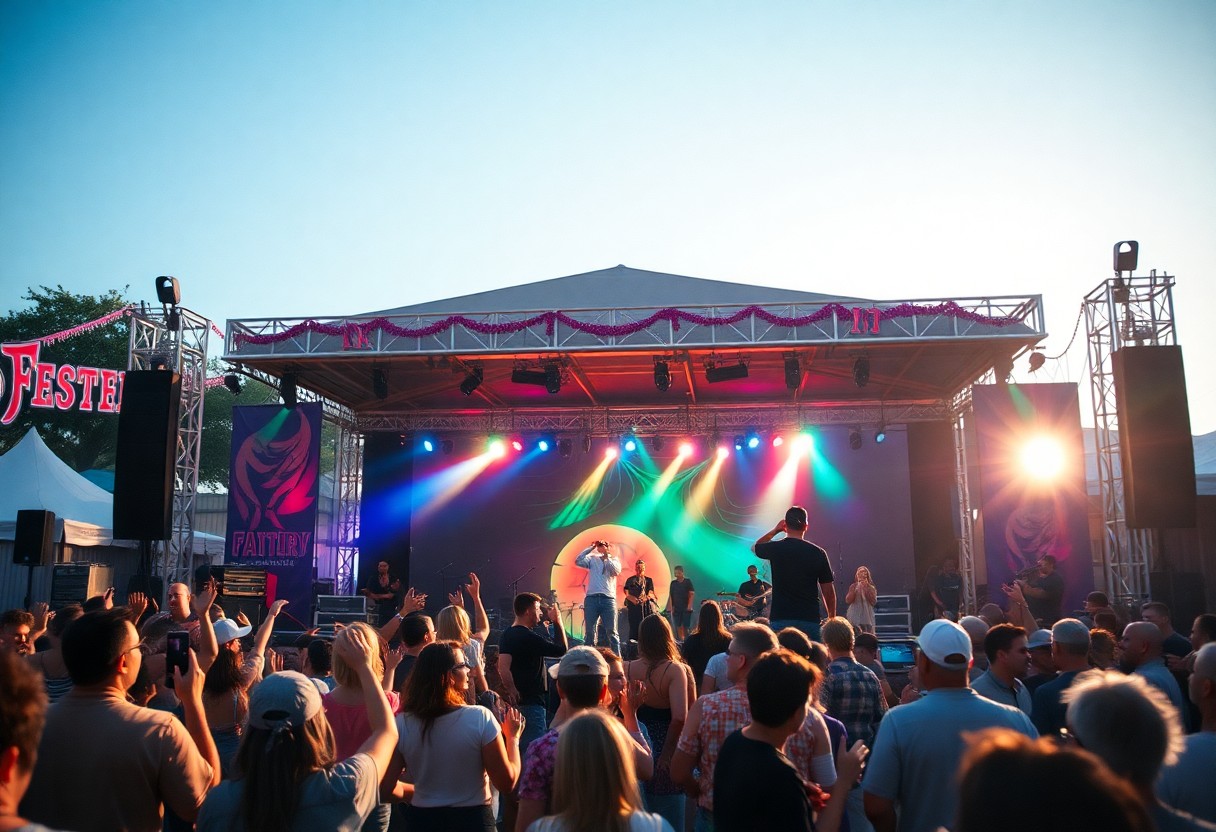
Changing Consumer Behavior
You will likely notice significant shifts in consumer behavior as live music events evolve in the post-pandemic landscape. With heightened health awareness and a surging demand for immersive experiences, audiences will prioritize safety while seeking more engaging and unique concert formats, transforming how ticket sales and event planning unfold.
Shift in Audience Preferences
Against the backdrop of the pandemic, many music enthusiasts have reevaluated their experiences, leading to a preference for smaller, more intimate gatherings over large festivals. This change reflects a desire for closeness, connection, and a less crowded environment, ultimately reshaping the live music experience to be more personal and engaging.
New Demographics of Concertgoers
The live music audience is expanding in new directions, bringing in diverse age groups and backgrounds. This shift is evidenced by increased participation from younger audiences, including Gen Z, who prioritize sustainability and inclusive environments at events. Furthermore, the pandemic has sparked interest among older generations returning to live music, valuing community and shared moments in this unique social landscape.
Behavior trends indicate that these new concertgoers are more selective about the events they attend, driven by strong values around social issues and artist authenticity. You’ll find that today’s audiences prefer venues that support local talent and prioritize sustainability. The blending of different demographics will likely lead to a richer variety of experiences, ensuring that music remains a vital platform for connection and expression.
Technological Innovations
After enduring a period of uncertainty, the live music scene is poised for transformation through technological innovations. These advancements promise not only to enhance the concert experience but also to create new avenues for engagement. As we move into a post-pandemic world, you can expect exciting developments that prioritize safety, accessibility, and entertainment.
Enhanced Live Streaming Experiences
Live performances can now reach audiences around the world through revamped streaming platforms, enabling artists to connect intimately with fans regardless of location. You might find yourself enjoying high-quality visuals and sound that replicate the energy of being in a live venue. As artists embrace these technologies, opportunities for virtual meet-and-greets and interactive fan experiences become increasingly accessible.
Integration of Augmented and Virtual Reality
Any concertgoer will appreciate the infusion of augmented and virtual reality into live music events. These technologies create immersive environments that blend real and digital experiences, transforming how you engage with performances. As VR headsets and AR applications become more commonplace, the possibilities for interactive experiences and personalized content are endless.
Augmented reality (AR) and virtual reality (VR) can revolutionize how you enjoy live music. With AR, you may have the chance to see additional digital art layers overlaying your favorite performances, enriching the visual landscape. Meanwhile, VR could allow you to experience unique virtual venues that make you feel as though you’re physically present at a concert halfway across the globe. Such immersive technologies not only enhance your enjoyment but also create new platforms for artists to express their creativity, all while ensuring that safe engagement remains possible in a post-pandemic landscape.
Health and Safety Measures
Despite the challenges posed by the pandemic, health and safety measures are rapidly evolving in the live music industry. Venues are implementing protocols such as enhanced sanitation, socially distanced seating, and contactless entry systems to ensure your safety. The Chart: Live Music Industry Shatters Records in Post-Covid … reflects increasing confidence among audiences, but protocols remain vital to make your concert experience enjoyable and safe.
Evolving Guidelines for Live Events
Around the world, guidelines for live events are continuously changing as health authorities adapt to new information regarding the pandemic. This means you will likely see varying regulations depending on your location and venue, including mask mandates, vaccination requirements, and crowd size limitations to create safer environments for all attendees.
Audience Safety Considerations
Events designed for your enjoyment are now incorporating various safety measures to protect attendees. With measures such as staggered entry times and enhanced ventilation systems, you can feel more secure while immersing yourself in live performances. Additionally, contact tracing may be utilized to track potential COVID exposure, emphasizing the importance of staying informed about venue policies.
A well-planned concert environment is key to your safety and enjoyment. Venues may employ air filtration systems and ensure that sanitizing stations are readily available. While the experience will still shine with live performances, organizations must strike a balance between maintaining the energy of the event and enforcing vital safety measures that protect you and others in attendance.
The Role of Festivals and Large Events
All across the globe, festivals and large events serve as a beacon of hope for the live music industry in the post-pandemic world. As we venture into a new era, these gatherings will play an important role in reviving the music scene, bridging connections, and providing platforms for artists to perform. By fostering a sense of community, they not only uplift your spirits but also help you rediscover the joy of live music in its most vibrant form.
Revival Strategies for Major Festivals
Above all, major festivals are implementing innovative revival strategies to attract audiences back in droves. This includes enhanced health and safety protocols, diverse lineups to cater to various tastes, and engaging digital platforms that allow you to experience the magic of festivals from anywhere. By evolving and adapting, these events are not just bouncing back; they are redefining the future of live music.
Community and Economic Impacts
Revival of festivals and large events has significant implications for community and economic growth. As you attend these gatherings, you’re contributing to a thriving local economy, generating jobs in entertainment, hospitality, and beyond. The ripple effect of these events fosters social cohesion and enhances cultural experiences. Moreover, your participation creates a lively atmosphere that encourages tourism and boosts local businesses, reflecting the genuine impact and importance of reconnecting through music.
Role of festivals extends beyond mere entertainment; they act as a catalyst for local economies. As you participate in these grand events, your spending on tickets, food, and merchandise directly supports countless jobs within your community. Furthermore, these gatherings cultivate a vibrant social scene, enabling you to forge new connections and strengthen community ties. Ultimately, the resurgence of festivals post-pandemic signifies not only the return of live music but also a revitalization of the rich, shared experiences that enrich your community’s cultural tapestry.

Future Trends in Live Music
Keep your eyes open for the evolving landscape of live music, where innovation meets audience engagement. As technology advances and preferences shift, rising trends like hybrid events and sustainability are set to reshape what live music experiences look like in the post-pandemic world.
Hybrid Events as the New Norm
Along with traditional performances, you can now expect a blend of in-person and virtual elements in live music events. This hybrid model not only expands your access to artists worldwide but also allows for a more inclusive experience, catering to diverse audiences regardless of location and preferences.
Sustainability and Environmental Considerations
Sustainability is rapidly becoming a priority in the live music industry, prompting you to consider the environmental impact of events you attend. As artists and organizers strive for greener practices, you may find yourself supporting initiatives aimed at reducing waste and carbon footprints, making your concert experiences more eco-friendly.
For instance, many festivals are now adopting zero-waste policies and utilizing renewable energy sources to power their events. You might see biodegradable materials used for merchandise and catering, contributing to a healthier planet. Additionally, some organizers are incorporating carbon offset programs to mitigate the environmental impact of travel. By participating in these eco-conscious efforts, you actively support a movement towards a more sustainable future in live music. It’s not just about the music; it’s about doing it responsibly.
Summing up
As a reminder, the future of live music post-pandemic presents exciting opportunities for you as an audience member and a participant in the music community. While challenges remain, innovative formats and enhanced safety measures will shape how you experience concerts. Embrace the evolution as live performances adapt to your needs, blending technology with in-person engagement to create unforgettable moments. The return of live music promises to reignite your passion for shared experiences, fostering connection and joy in ways previously unimagined.
Q: How has the pandemic changed the live music industry?
A: The pandemic has had a profound impact on the live music industry, leading to a significant shift in how events are organized and experienced. With restrictions on gatherings, many venues were forced to close or reduce capacity, prompting artists and promoters to explore alternative platforms for performances. Virtual concerts gained popularity, allowing musicians to reach audiences without the constraints of physical locations. As we move toward a post-pandemic world, there is a greater emphasis on hybrid events that combine in-person experiences with online streaming, enabling broader audience engagement and accessibility. Additionally, safety protocols and health measures have become integral to event planning, altering the traditional concert-going experience.
Q: What trends are emerging in live music events after the pandemic?
A: In the post-pandemic landscape, several key trends are emerging within the live music scene. One prominent trend is the rise of outdoor events, as they offer natural ventilation and allow for safer social distancing. Additionally, many organizers are incorporating advanced technology, such as augmented reality and interactive elements, to enhance audience engagement. Another noteworthy trend is the increased focus on sustainability, with many venues and festivals implementing eco-friendly practices to reduce their environmental impact. Furthermore, artists are now exploring longer engagements or residency-style performances to maximize audience attendance while also providing fans with unique experiences over an extended period.
Q: How can live music venues adapt to the changing landscape?
A: To thrive in the evolving live music landscape, venues must be adaptable and willing to embrace innovation. This includes upgrading their infrastructure to accommodate hybrid events, such as installing high-quality streaming equipment that allows for seamless online broadcasts alongside in-person shows. Additionally, enhancing the overall patron experience—through improved safety measures, better accessibility, and diverse programming—will help attract audiences. Collaborating with artists to co-create unique experiences, including pop-up events and themed shows, can also drive attendance. Lastly, building strong community partnerships can help venues foster a loyal audience base and encourage local support, ensuring their sustained relevance in the post-pandemic era.