Most people may not realize how deeply music influences your sense of self. From the genres you love to the lyrics that resonate, music can reflect your values, emotions, and even life experiences. It acts as a powerful tool for self-expression and can foster connections with others who share similar tastes. However, it can also create barriers between cultures or generations. Understanding the role music plays in your life can enhance your appreciation of its impact on identity formation and personal growth.
Key Takeaways:
- Music serves as a powerful medium for self-expression, allowing individuals to articulate emotions and experiences that shape their personal identity.
- Cultural and social contexts significantly influence musical preferences, often reflecting shared values, traditions, and collective identities within communities.
- Engagement with music can foster a sense of belonging, connecting people through shared tastes and participation in musical communities or movements.
The Historical Significance of Music in Identity Formation
For centuries, music has played a pivotal role in shaping the identities of individuals and communities. Its ability to convey emotions and narratives creates a rich tapestry of shared experiences that binds people together. As you explore into history, you’ll find how different musical genres have reflected societal changes, serving as a mirror for cultural shifts and personal identities.
Music as a Cultural Artifact
By exploring music as a cultural artifact, you uncover the ways in which songs, rhythms, and melodies embody the values, struggles, and triumphs of a society. Each piece of music tells a story and acts as a resonance of collective memory, offering insights into your cultural heritage and communal identity.
Music in Social Movements
To understand the power of music in social movements, you must appreciate its role in galvanizing communities and inspiring change. Music has been a rallying cry for justice, resistance, and unity throughout history, echoing the desires and dreams of many.
Formation of social movements often relies heavily on music to fortify solidarity among participants. You’ll find that anthems and protest songs serve as a unifying force that amplifies the voices of the oppressed. These musical expressions not only articulate shared frustrations but also instill a sense of hope and empower individuals to act. The ability of music to spread quickly and resonate widely can make it a dangerous weapon in the hands of those fighting for change, illustrating its significance in forging your shared identity and purpose.

Personal Identity and Music
There’s a profound relationship between music and personal identity, as the melodies and lyrics you resonate with can shape your perspective of self. The way you connect to various genres often reveals more about your values and experiences than you might realize. As discussed in the insightful paper How Music Shapes Our Identities and why it Matters, music serves not only as entertainment but also as a reflection of who you are.
The Soundtrack of Our Lives
About your life, music acts as a powerful soundtrack, accompanying you through various phases and events. Whether celebrating moments or navigating challenges, these tunes often evoke emotions that connect to your memories, solidifying the experiences that help define your identity.
Music Preferences and Self-Expression
At every stage of your life, your music preferences serve as a form of self-expression, allowing you to articulate feelings and ideas that words alone may not capture. They reflect your culture, background, and personal values, creating a rich tapestry of identity.
In addition, the genres and artists you gravitate towards often signal your beliefs and aspirations, enabling you to find a sense of community among like-minded individuals. Engaging with music allows you to explore and embrace your individuality, fostering connections that can be deeply meaningful. The emotional resonance of your favorite songs can also help you express complex feelings that might be difficult to convey otherwise, underscoring the power of music as a tool for personal reflection and communication.

Music and Group Identity
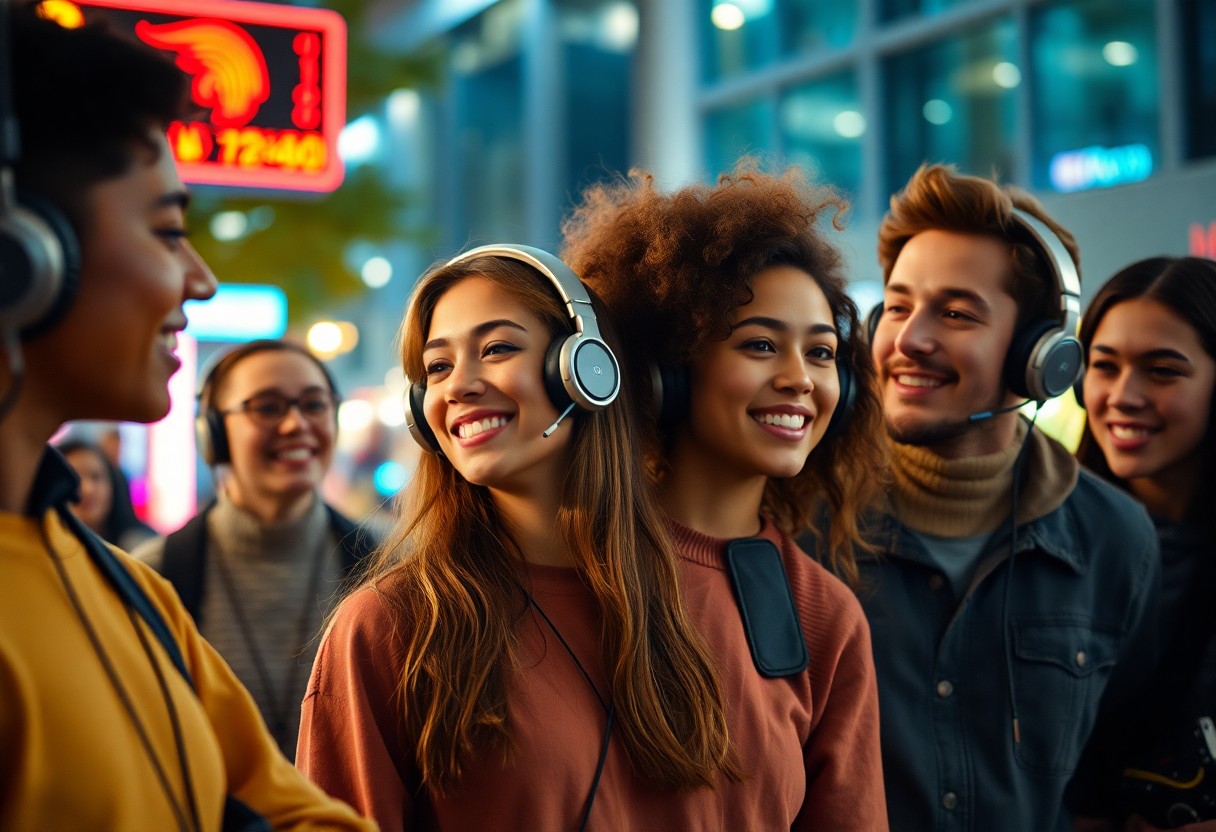
Despite the ever-changing landscape of society, music continually plays a vital role in fostering a sense of group identity. People often gather around shared musical tastes, creating bonds that extend beyond simple conversations. When you connect with others through music, you find common ground that can reinforce feelings of belonging and community, helping to define not only who you are but also who you stand with in the world.
Music in Community and Belonging
After immersing yourself in collective musical experiences, you may find an enhanced sense of belonging within your community. Shared concerts, music festivals, or even local jam sessions can create strong emotional ties that unite individuals with similar tastes and backgrounds. These gatherings foster a warm and accepting environment where you can forge lasting relationships, deepening your connection to both the music and your community.
Genre as a Reflection of Identity
Music genres serve as expressions of your personal identity, aligning closely with your values, experiences, and cultural background. You might gravitate towards specific genres that resonate deeply with your life’s journey, embodying your emotions, beliefs, and social connections. The choices you make in music reflect who you are and how you perceive the world, revealing insights into your personality traits. This connection between genre and self-understanding can empower you, inviting others to appreciate the nuances of your identity through your musical preferences.
Music often serves as a powerful vehicle for you to explore and communicate your identity. As you immerse yourself in various genres, you may discover that certain styles echo your cultural heritage, life experiences, and even aspirations. Whether you resonate with the rebelliousness of punk, the introspection of folk, or the vibrancy of hip-hop, your choices reveal aspects of who you are to the world. By embracing genres that mirror your individuality, you cultivate a deeper understanding of yourself and forge connections with others who share similar tastes, further enriching your personal narrative.
The Impact of Technology on Musical Identity
Your musical identity has been profoundly influenced by the rapid evolution of technology. From music production to distribution and consumption, advancements have transformed how you engage with music. Access to a global library of sounds and genres enables you to explore and express your individuality through music like never before, turning everyday listeners into active participants in the creation and sharing of their artistic identities.
Digital Platforms and Identity Exploration
By utilizing various digital platforms, you can find and connect with music that resonates with your personal experiences and values. Streaming services, social media, and music-sharing apps provide endless opportunities for you to discover new genres, collaborate with artists, and curate playlists that represent your unique identity. This interactivity encourages you to engage in identity exploration, ultimately shaping how you express yourself through music.
Globalization and Diverse Influences
The integration of music from around the world has allowed you to experience an incredibly diverse range of musical styles, enriching your identity. The blending of different genres and cultures has expanded your musical tastes and influenced your preferences.
Globalization has transformed the music landscape, enabling you to access a myriad of cultural influences that can profoundly shape your identity. With technology breaking down barriers, you can incorporate sounds from various traditions into your musical palette. However, this melding can also pose challenges, such as the potential for cultural appropriation, which demands that you navigate these influences respectfully. Moreover, while exploring these new sounds can be enriching and positive, it’s necessary to maintain an awareness of the cultural contexts behind the music that inspires you. Balancing appreciation and understanding in this globalized musical landscape is vital for a genuine connection to your evolving identity.
Music Education and Identity Development
Not only does music education enhance your artistic skills, but it also plays a significant role in your identity development. Engaging in music allows you to explore different cultures, emotions, and perspectives, helping you discover and express who you are. As you connect with various musical genres and traditions, you broaden your sense of self, fostering confidence and creativity in your personal journey.
The Role of Schools and Institutions
At schools and educational institutions, music programs are designed to promote collaboration and creativity, encouraging you to work with peers in a shared artistic space. These programs equip you with crucial skills such as teamwork, discipline, and self-expression, which greatly contribute to your identity formation. By participating in school performances and music ensembles, you build meaningful connections and nurture your individuality.
Lifelong Learning and Personal Growth
Among the many benefits of music education, the opportunity for lifelong learning and personal growth stands out. Engaging with music throughout your life enhances your emotional wellbeing and adaptability. You, as a lifelong learner, can discover new genres, instruments, and cultures, allowing you to continually evolve and reshape your identity.
Lifelong engagement with music fosters ongoing personal growth and emotional development. As you explore different musical styles and techniques, you enrich your experiences and deepen your understanding of yourself and the world around you. This journey encourages you to embrace change and adaptability, highlighting the transformative power of music in shaping your identity over the years. Whether you pick up a new instrument, join a choir, or participate in community events, the continuous pursuit of musical knowledge opens doors to new relationships and perspectives, enhancing your overall wellbeing and self-awareness.
Summing Up
Now that you understand the significant role music plays in shaping identity, you can appreciate how it influences your personal experiences, social connections, and cultural affiliations. Whether through the genres you love or the lyrics that resonate with you, music helps define who you are and how you relate to the world around you. Embracing this aspect of music can enrich your life, allowing you to forge stronger connections with others and cultivate a deeper understanding of yourself.
FAQ
Q: How does music influence personal identity in individuals?
A: Music plays a significant role in shaping personal identity by allowing individuals to express their emotions, thoughts, and values. It acts as a reflection of one’s cultural background, social affiliations, and personal experiences. For many, specific genres or songs resonate deeply, shaping their self-image and leading to a sense of belonging within particular communities. The music one listens to can also impact how they perceive themselves and how they wish to present themselves to the world.
Q: In what ways does music reflect cultural identity?
A: Music is a powerful medium through which cultural identity is expressed and preserved. Different genres, styles, and traditional songs are often tied to specific cultures or regions, showcasing unique histories, languages, and traditions. Through the performance and consumption of music, individuals connect to their cultural roots and heritage, fostering pride and unity within communities. This cultural expression through music can also facilitate intercultural exchanges, helping individuals explore and appreciate diverse identities.
Q: Can music foster social connections and community identity?
A: Yes, music can significantly foster social connections and community identity by bringing people together through shared experiences. Concerts, festivals, and communal music-making can create bonds among individuals, forming a sense of belonging and collective identity. Additionally, music can serve as a medium for political and social movements, uniting people under common causes and goals. By participating in music-related activities, individuals often find camaraderie, support, and a deeper connection to their community.