Tips for enhancing your guitar practice routine can significantly boost your skills and enjoyment of playing. By incorporating effective strategies and techniques, you can make your practice sessions more productive and engaging. Whether you’re a beginner or an experienced guitarist, these practical tips will help you develop a structured approach, maximize your practice time, and ultimately improve your overall musicianship. Get ready to take your guitar playing to the next level!
Crafting a Personalized Practice Schedule
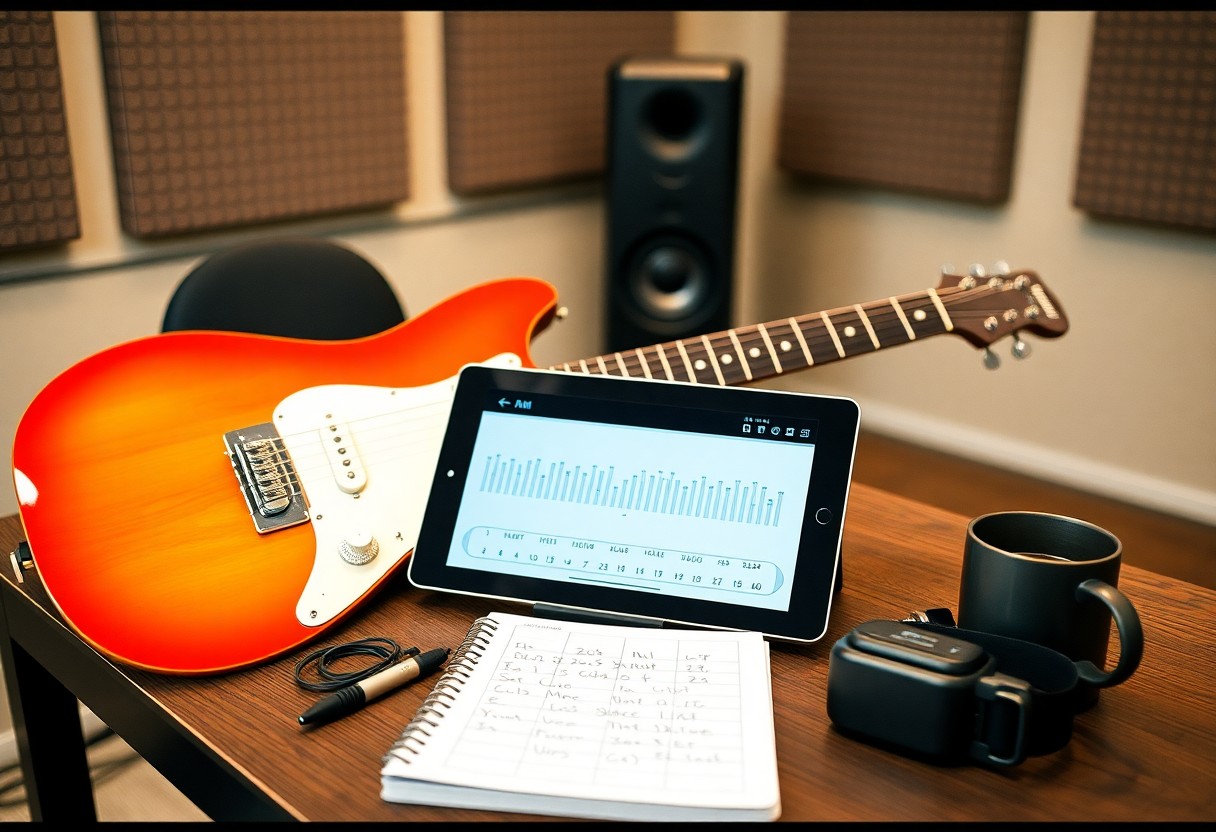
Creating a practice schedule tailored to your personal needs and goals maximizes your learning experience and progression on the guitar. Start by evaluating your current skill level and identifying areas for improvement. Segment your practice time into focused blocks—such as warm-ups, technique exercises, song practice, and creative exploration—to ensure a balanced approach. Regularly reassess your goals and progress, adjusting your schedule as necessary to keep things fresh and engaging.
Setting Realistic Goals for Each Session
Establishing achievable goals for each practice session streamlines your efforts and boosts motivation. Consider what skills or songs you want to work on and break them down into manageable tasks. If you aim to master a challenging chord progression, set a goal of practicing it for 10 minutes, then transition to another area of focus. This structured approach helps you track progress and enables you to celebrate small victories along the way.
Balancing Technique, Theory, and Creativity
Achieving a harmonious balance between technique, music theory, and creative expression cultivates a well-rounded guitar player. Devote a portion of your practice time to developing technical skills through exercises that challenge your dexterity, such as scales or fingerstyle patterns. Equally important, integrate music theory to understand chord progressions, scales, and harmonic relations, which will broaden your compositional abilities. Lastly, allocate time for creativity—improvising or writing your own songs allows you to apply what you’ve learned in an enjoyable and fulfilling way.
Incorporating a diverse array of practice focuses ensures you’re not just repeating rote exercises; instead, you are progressing as an artist. For instance, try dedicating 40% of your practice to technique, 30% to theory, and 30% to creativity, allowing these areas to complement each other. This balance fosters a deeper understanding and mastery of guitar while keeping your practice sessions dynamic and engaging. Embracing this integrated approach not only enhances your technical skills but also ignites your creativity, paving the way for a more enjoyable learning journey.
Incorporating Proper Warm-Up Techniques
Integrating effective warm-up techniques into your practice routine sets the stage for productive playing sessions. A proper warm-up helps condition your fingers, enhances dexterity, and prevents injuries. Start with simple finger exercises, scales, or chord progressions to engage your muscles and prepare your mind. Gradually increase the complexity and range of your movements to ensure a smooth transition into your main practice. This focused approach lays a solid foundation for mastering challenging pieces and improving your overall performance.
Effective Exercises to Begin Your Practice
Beginning your practice with targeted exercises, such as chromatic scales or finger independence drills, primes your hands and mind. Focus on playing slowly and accurately, gradually increasing speed as you become more comfortable. This repetition solidifies muscle memory and helps you tackle more complex material with confidence.
The Importance of Physical Preparation
Physical preparation contributes significantly to your guitar playing experience, as it fosters endurance and flexibility. Engaging in specific warm-up routines allows your hands to acclimate to the demands of playing, which can reduce your risk of strain and enhance your overall performance. Dynamic stretches and finger tasks not only activate the necessary muscles but also build coordination and fluidity. Consider it an important step before plunging into your favorite pieces, ensuring that your fingers respond quickly and accurately throughout your practice.
Leveraging Technology to Enhance Learning
Technology offers a wealth of tools to elevate your guitar practice experience. From interactive tutorials to jam tracks, incorporating these resources into your routine can significantly enhance your skills. Exploring innovative methods like video lessons, slow-motion playback, and digital metronomes can help you fine-tune your technique more efficiently. Embracing technology makes practice not only effective but also enjoyable, motivating you to stay consistent in your musical journey.
The Role of Apps and Online Resources
Apps and online resources can transform your practice sessions into dynamic learning experiences. Platforms like Ultimate Guitar or Yousician provide you with thousands of tabs, interactive lessons, and tailored exercises catering to your skill level. These tools allow you to play alongside backing tracks, receive real-time feedback, and even participate in a global community of guitarists, making your practice more engaging and socially connected.
Tracking Progress: Tools for Improvement
Monitoring your progress as you learn guitar can lead to a more structured practice approach. Utilizing digital tools can streamline this process, with apps designed to track sessions, set goals, and generate reports on your performance. Features like analytics and video recording capabilities let you see where you’ve improved and where you need to focus your efforts, providing you with a visual representation of your growth and keeping you motivated.
For instance, apps like GuitarTuna not only help tune your guitar but also offer a built-in metronome and exercises tailored to your goals. By regularly logging your practice times and accomplishments, you can visualize your dedication and improvement, which is particularly helpful when setting long-term goals. Coupled with tools like YouTube and social media, you can create a feedback loop that motivates continuous learning and skill enhancement, helping you reach milestones faster than traditional methods alone.

Cultivating a Congenial Practice Environment
Your practice space significantly influences your motivation and focus. By curating an inviting atmosphere, you create a sanctuary conducive to learning and creativity. Incorporating elements that inspire you can elevate your practice sessions, making them more engaging and productive. Personalize your environment with items that spark joy or creativity, whether it’s artwork, plants, or inspirational quotes. Consider the layout as well; a comfortable setup can help enhance your playing experience, allowing you to immerse yourself fully in your craft.
Creating a Distraction-Free Zone
A distraction-free zone is important for maintaining focus during practice. Turn off notifications on your devices and limit interruptions from family or housemates. Designate a specific area in your home exclusively for playing guitar, equipped with everything you need, like sheet music, metronomes, and your instrument. This separation fosters a mental shift, signaling to you that it’s time to concentrate. Moreover, decluttering your space can help clear both physical and mental distractions, further enhancing your ability to learn and grow as a musician.
The Impact of Lighting and Ambiance
Lighting can significantly affect your mood and focus while practicing guitar. Soft, natural light can create a calming atmosphere, helping you relax and flow into your sessions. Conversely, bright, harsh lights may cause fatigue and hinder your ability to concentrate. Investing in adjustable lamps can help, allowing you to customize the illumination to your preference. Ambient sounds or gentle background music can also add to the atmosphere, making the environment feel more welcoming. Ultimately, a well-lit and aesthetically pleasing space not only enhances your comfort but also fuels your creativity, making practice enjoyable and productive.

Embracing Mindfulness and Focus
Incorporating mindfulness into your practice routine enhances both your focus and musical expression. By tuning into the present moment, you create a space for greater creativity and connection with your instrument. This approach not only helps alleviate performance anxiety but also cultivates a deeper understanding of the material you are working on. Practicing with intention means that each session becomes a valuable experience, allowing you to absorb what you learn and apply it effectively in future practices.
Techniques to Maintain Concentration
Creating a distraction-free environment is vital for maintaining concentration during your practice sessions. Consider using techniques like setting a timer for focused blocks of time, such as 25 minutes, followed by a short break. During your practice, eliminate unnecessary interruptions by silencing notifications on your devices and letting others know you need uninterrupted time. Additionally, try deep breathing exercises before you start playing to center your thoughts and improve your mental clarity.
The Benefits of Mental Visualization
Mental visualization enhances your ability to practice away from the guitar. By imagining yourself playing a piece perfectly, you create neural pathways that contribute to muscle memory and performance. This mental rehearsal can deepen your understanding of nuances and details in the music, leading to more confident execution. Visualization serves as an effective tool to bridge the gap between technical practice and performance readiness, offering a unique advantage in both preparation and mastery.
Research indicates that athletes and musicians alike achieve higher performance levels through mental imagery. By visualizing yourself performing in various contexts—like playing for a small gathering or a larger audience—you can simulate the experience of live performance without the associated stress. Even spending just a few minutes visualizing challenging sections of a piece can significantly enhance skill retention. This practice not only sharpens your focus but also helps in clarifying your artistic intentions, ultimately making your practice sessions more effective and rewarding.
Conclusion
Taking this into account, enhancing your guitar practice routine can significantly boost your progress and enjoyment of playing. By setting clear goals, incorporating variety, and maintaining consistency, you create an effective system that caters to your growth as a musician. Utilizing resources like instructional videos and metronomes can further refine your skills. Make sure to track your progress and celebrate your achievements to keep motivation high. With dedication and these tips, you’ll advance your guitar playing in no time.
FAQ
Q: How can I effectively structure my guitar practice time?
A: Structuring your guitar practice is vital for making the most of your time. Start by setting clear goals for each session, such as focusing on scales, learning a new song, or working on technique. Divide your practice time into segments, dedicating specific intervals to each goal (e.g., 10 minutes for warm-ups, 15 minutes for scales, and 25 minutes for new material). Ensure to include short breaks to keep your mind fresh and engaged. Also, adjusting your specific goals regularly can help maintain motivation and prevent burnout.
Q: What are some effective techniques to enhance my guitar skills during practice?
A: To enhance your skills, incorporate a variety of techniques into your practice routine. Practice with a metronome to improve timing and rhythm, and include both slow and fast tempos. Experiment with different playing styles and genres to broaden your musical versatility. Recording yourself can provide valuable insight, allowing you to hear progress and identify areas that need improvement. Additionally, learning songs by ear can develop your listening skills and creativity, enabling you to internalize musical patterns better.
Q: How important is setting specific goals for guitar practice?
A: Setting specific goals significantly enhances the effectiveness of your guitar practice. Goals provide direction and a sense of purpose, helping you focus on what you want to achieve. Break larger goals down into smaller, manageable tasks, which can create a sense of accomplishment as you progress. This structured approach can help track your improvement over time and keep your practice sessions more engaging. Regularly reviewing and adjusting your goals can ensure that you stay challenged and motivated throughout your learning journey.