Acoustic guitars offer a warm, rich sound that resonates beautifully in any setting, but your choice of guitar can impact your music style and performance. Whether you’re drawn to the powerful chords of an electric guitar or the deep grooves of a bass guitar, understanding the distinct characteristics of each type can enhance your playing experience. In this post, you will discover the unique features, advantages, and suitable genres for acoustic, electric, and bass guitars, helping you make informed decisions as you launch on your musical journey.
Acoustic Guitars: The Soul of Folk and Beyond
Acoustic guitars hold a distinctive place in music history, often regarded as the heart and soul of folk music, yet they transcend genres with their natural warmth and authenticity. Their ability to produce sound without relying on amplification makes them a favorite for singer-songwriters and performers in intimate settings. Whether strumming chords or fingerpicking intricate melodies, acoustic guitars offer a raw musical experience that resonates deeply with audiences, bridging generations and musical styles.
Anatomy and Design: Exploring Body Shapes and Woods
The design of acoustic guitars varies significantly, with body shapes like dreadnought, concert, and parlor each contributing to unique sound qualities. The choice of woods also plays a pivotal role; for instance, spruce tops provide brightness and clarity, while mahogany delivers a warmer, softer sound. Understanding the interplay between shape and material can help you select an instrument that perfectly matches your musical preferences.
Sound Characteristics: The Warmth of Resonance
Acoustic guitars are renowned for their rich, resonant tones, which are primarily influenced by their body shape and the woods used in construction. The vibrations of the strings resonate through the hollow body, producing sounds that can evoke deep emotional responses. The natural reverb found in acoustic instruments creates a fuller sound that makes it suitable for a wide range of music, from heartfelt ballads to driving folk anthems.
The warmth of resonance in acoustic guitars often draws from the materials and craftsmanship that shape their sound. Spruce, with its tight grain, enhances projection, while softer woods like cedar can bring out mellower tones, catering to genres that thrive on nuance. Each strum or pluck produces myriad overtones that blend together, amplifying the emotional depth of your play. The varied response depending on your picking style adds another layer of complexity, allowing for a wide expressive range, whether you’re sweetly playing a gentle lullaby or belting out a powerful chorus. This ability to convey emotion is what keeps acoustic guitars at the core of musical expression across genres and styles.
Electric Guitars: The Power of Amplification
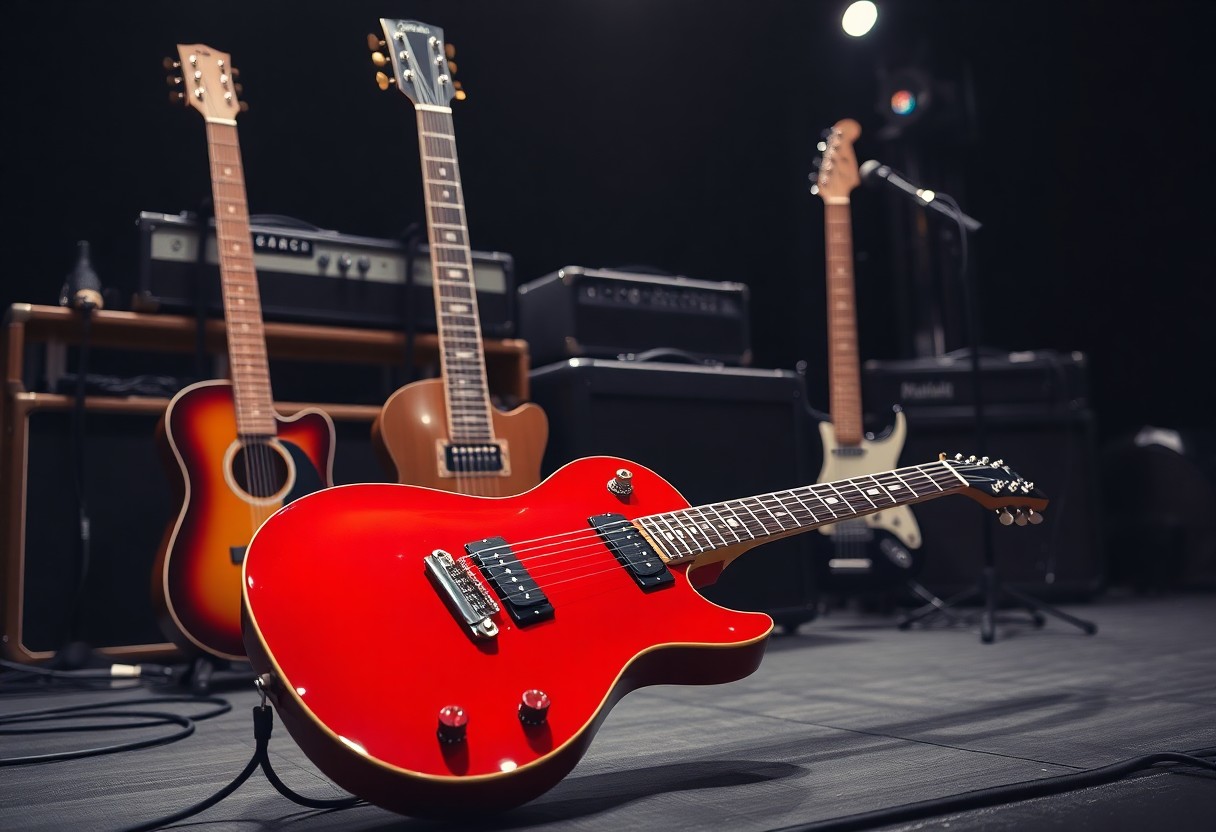
Electric guitars represent a revolution in sound, unlocking a world of possibilities through amplification. These guitars utilize electromagnetic pickups to convert string vibrations into electrical signals, which are then enhanced by amplifiers, allowing for a plethora of tones that can range from mellow to screamingly loud. With controls for volume and tone, you have complete command over your sound, making electric guitars a favorite among diverse musical genres.
Components and Customization: Pickups, Effects, and Modifications
Your electric guitar’s tonal palette can be vastly altered through its components. Pickups, the heart of your guitar’s sound, come in various types such as single-coil or humbucker, each offering unique characteristics. You also have the option to customize with effects pedals—from distortion and reverb to delay and wah—which can significantly enhance your performance. Modifications, such as changing the nut or tuners, allow you to tailor your instrument further, ensuring it perfectly suits your style.
Genres and Influences: From Rock to Jazz and Everything In Between
Electric guitars have been at the center of numerous musical styles, influencing sounds that define entire genres. In rock, the electric guitar is iconic, exemplified by heavy distortion and power chords, while in jazz, smooth tones and intricate solos dominate. Blues relies on intricate bending and expression, while pop finds its home in catchy riffs and hooks. The adaptability of the electric guitar means it can fit into almost any musical genre, bridging the gap between traditional roots and modern experimentation.
Electric guitars can be found weaving through every corner of the music landscape. The raw energy of rock legends like Jimi Hendrix or the smooth melodies of jazz artists such as Wes Montgomery showcase just how diverse your instrument can be. Fusion genres, like jazz-rock, utilize electric guitars to blend improvisation with rhythmic drive, while metal pushes the boundaries with techniques like tapping and shredding. This versatility allows the electric guitar to not only adapt but also shape musical trends, making it an enduring favorite among musicians worldwide.

Bass Guitars: The Backbone of Rhythm
Bass guitars are vital in shaping the rhythmic foundation of virtually every musical genre. With their deeper tones and lower register, they connect harmonies and rhythms, giving depth and drive to songs. Whether in rock, jazz, or funk, the bass guitar effortlessly holds the groove in place, making it the backbone of your favorite tracks. From the pulsating beats of classic rock to the intricate lines of progressive jazz, mastering the bass guitar adds another dimension to your musical prowess.
Distinctive Features: Differences Between Electric and Acoustic Bass
Electric bass guitars typically provide a louder, more pronounced sound, thanks to their pickups and amplifiers, allowing for better tonal adjustments. In contrast, acoustic bass guitars harness natural resonance, producing a warm, mellow sound better suited for unplugged settings. While both instruments can play the same notes, their sonic characteristics greatly influence your style of music. Electric basses often feature a slimmer neck and lower action for easier playability, whereas acoustic basses are generally bulkier, emphasizing projection and natural acoustics.
Playing Techniques: From Fingerstyle to Slapping
Your approach to playing bass can significantly alter the feel of the music. Fingerstyle allows for smooth, melodic lines, perfect for jazz or acoustic settings, while slapping creates a percussive attack, ideal for funk or rock. Techniques like popping and tapping can also add flair to your playing, giving the bass a prominent role in any arrangement. Each style brings its unique expression and dynamics to the table, allowing you to convey different emotions and keep the audience engaged.
Playing bass involves a range of techniques that contribute to its rich textural possibilities. For instance, fingerstyle playing enables you to explore individual notes or intricate patterns, giving a more melodic foundation to songs. On the other hand, slapping combines rhythmic punching with string pulling, adding a lively beat to your performance. Mastering these techniques not only enhances your versatility as a bassist but also expands your creative bandwidth, allowing you to express both subtlety and energy in your music playing.
Cross-Over: Understanding Hybrid and Specialty Guitars
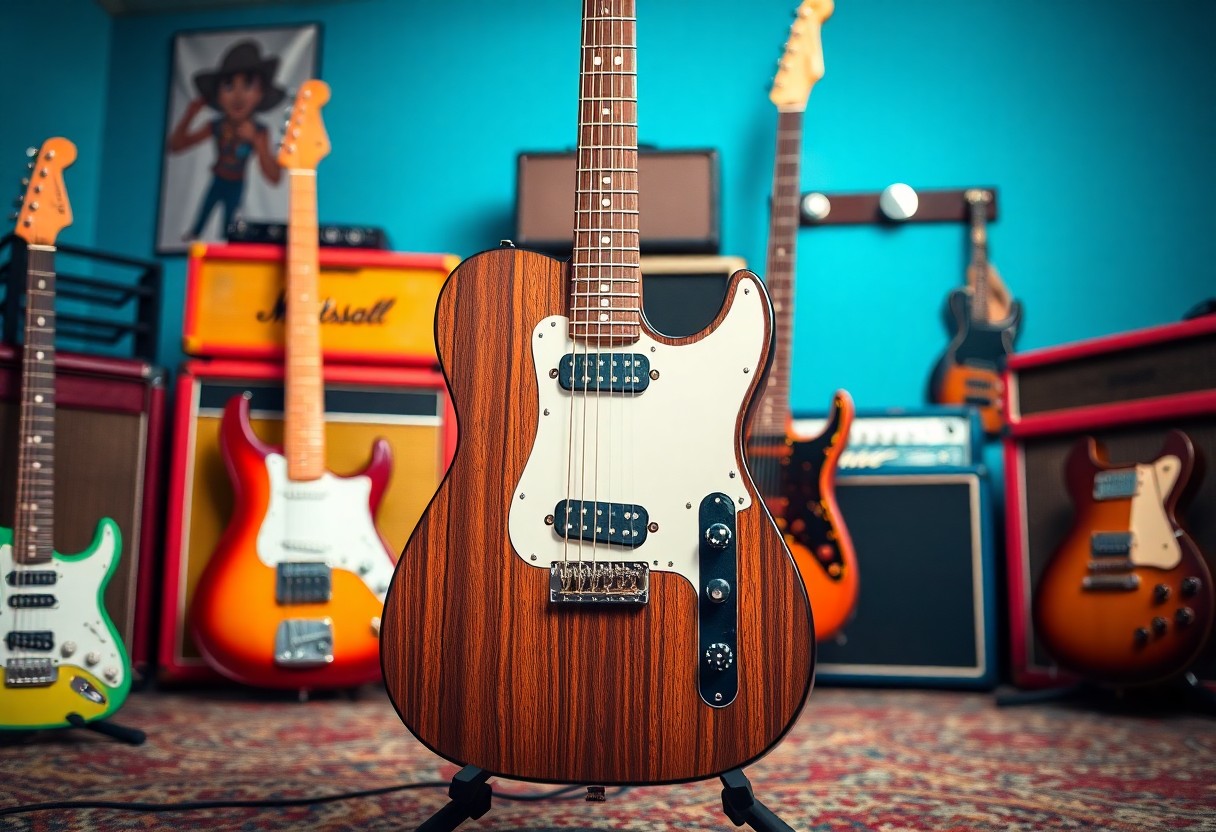
Hybrid and specialty guitars blend the features of traditional types, creating versatile instruments that cater to diverse musical styles. You’ll find models like the acoustic-electric guitar, which incorporates pickups for amplification while retaining the classic acoustic body. Additionally, instruments like the baritone guitar expand the tonal range, perfect for lower tunings, while multi-neck guitars offer players a way to switch tunings mid-performance, adding layers to music without the need for multiple guitars on stage.
Innovations in Guitar Technology: What’s New on the Market
The guitar market continually evolves, introducing innovative technologies that enhance your playing experience. Recent advancements include the use of smart technology in guitars, such as built-in tuners and smartphone connectivity for practice apps. Additionally, some manufacturers now offer instruments with advanced materials, like carbon fiber, which provide increased durability and improved sound quality compared to traditional wood. These innovations not only address player needs but also inspire new creative possibilities for your music.
The Role of Guitarists in Modern Music: Collaborations and Trends
Guitarists today play pivotal roles in shaping popular music, often collaborating across genres to create fresh sounds. From rock to hip-hop, your favorite guitarists may find themselves teaming up with artists outside their comfort zone, resulting in innovative musical fusions. Experimentation is maximized through digital platforms like social media and streaming services, allowing guitarists to reach a wider audience and influence emerging trends, making their contributions more significant than ever.
Collaborations in modern music often lead to groundbreaking results, as guitarists join forces with unexpected artists to create unique blends that break genre barriers. For instance, artists like Lil Nas X have featured guitarists in country-pop crossovers, while rock legends have collaborated with hip-hop stars, showcasing the versatility of guitar across various styles. These partnerships not only expand your musical palate but also highlight the importance of adaptability in a rapidly changing industry. Embracing these trends can inspire your own musical journey, encouraging a push beyond traditional genre boundaries.
Maintenance and Care: Keeping Your Instruments in Top Shape
Regular maintenance ensures your guitars perform at their best and last for years. Keeping your instruments clean and properly stored minimizes wear and tear, helping you avoid costly repairs down the line. Take the time to assess your guitars regularly, addressing issues before they escalate. Proper care not only protects your investment but can also enhance your playing experience.
Routine Maintenance: Essential Tips for Longevity
Incorporating routine upkeep into your practice schedule is a wise move for maintaining sound quality and playability. Here are vital tips for prolonging the life of your guitars:
- Wipe down strings and fretboard after each use to remove oils and dirt.
- Change strings regularly, typically every few weeks, depending on usage.
- Store your instruments in a stable environment, avoiding extreme temperatures and humidity.
- Check neck and string height periodically to ensure proper action.
Recognizing early signs of wear can save you significant time and resources in maintenance.
Common Repairs: Troubleshooting Common Issues
Identifying and addressing common issues promptly can prevent minor problems from becoming major repairs. Frequent concerns include string buzz, intonation issues, and electrical faults in electric guitars. Make it a habit to inspect the bridge and nut, ensuring they are not worn down. If you notice a buzzing sound that appears when playing certain frets, it often indicates an uneven fret that can be leveled by a skilled technician. Electric guitars may require pot replacements or soldering on occasion if you experience volume or tone fluctuations. Keeping a lookout for these problems will help maintain a good playing condition, ensuring an enjoyable music experience.
To wrap up
Drawing together the various types of guitars, you can appreciate how acoustic, electric, and bass models each serve unique purposes and genres. Whether you prefer the warm sounds of an acoustic, the powerful riffs of an electric, or the deep vibrations of a bass, understanding their differences will help you make informed choices in your musical journey. Each guitar opens up different avenues for creativity, inviting you to explore and enhance your skills in the world of music.
Q: What are the main differences between acoustic and electric guitars?
A: Acoustic guitars are designed to produce sound through their hollow body, which resonates the sound vibrations without needing an external amplifier. They typically have steel or nylon strings and are used in genres like folk, country, and classical music. Electric guitars, on the other hand, require an amplifier to produce sound as they have solid bodies or semi-hollow bodies and use electromagnetic pickups to convert string vibrations into an electrical signal. This allows for a wider range of sounds and effects, making electric guitars popular in rock, blues, and jazz music.
Q: What is the role of a bass guitar in a band?
A: The bass guitar serves as the backbone of a band’s rhythm section, providing the harmonic foundation and reinforcing the drums with a lower frequency sound. It usually has four strings (though five and six-string models exist) tuned to the same pitches as the double bass and plays a vital role in establishing the groove and rhythm of the music. Bass guitars can be acoustic or electric, but electric models are more prevalent in most musical genres, allowing for versatility in sound and performance.
Q: Can I learn to play both acoustic and electric guitar simultaneously?
A: Yes, you can learn both acoustic and electric guitars at the same time! Many of the fundamental techniques, such as finger placement, strumming, and basic chords, are similar for both types of guitars. However, each type does have its own unique playing styles and characteristics. For instance, acoustic guitar often emphasizes fingerpicking and rhythm, while electric guitar allows for techniques such as bending notes and using effects pedals. Balancing your practice time can help you develop skills in both areas more effectively.