Meditation can be greatly enhanced by incorporating music into your practice. By selecting the right tunes, you can create a peaceful atmosphere that helps you focus and deepen your experience. It’s important to choose soothing melodies that won’t distract you, allowing you to fully immerse yourself in the moment. Using music can also trigger a sense of calm which enhances relaxation and reduces stress. In this post, you’ll discover effective strategies to seamlessly integrate music into your daily meditation routine.
Key Takeaways:
- Choose calming and instrumental music to create an inviting atmosphere that enhances focus and relaxation during meditation.
- Experiment with different genres or playlists to find what resonates with you, as personal preference plays a significant role in the effectiveness of music for meditation.
- Use music with a consistent tempo and minimal variation to help maintain a steady rhythm in your breath and thoughts, aiding in deeper immersion in your practice.
The Benefits of Using Music in Meditation
While integrating music into your meditation practice can significantly enhance your overall experience, it also offers various psychological and emotional benefits. By creating a conducive atmosphere, music helps to deepen your state of relaxation, making it easier for you to access inner peace and clarity. Ultimately, it can transform your practice, making it more enjoyable and effective, allowing you to cultivate a stronger connection with yourself.
Enhancing Relaxation
Below is a powerful way to elevate your meditation practice: music can create an environment that promotes tranquility. Soft melodies or nature sounds stimulate your parasympathetic nervous system, helping you release tension and stress. As you immerse yourself in soothing music, you may find it easier to let go of distractions and fully embrace the present moment.
Fostering Focus
The use of music in meditation can greatly assist you in maintaining focus throughout the practice. Engaging with melodic tunes enables your mind to anchor itself, steering away from wandering thoughts. This enhanced concentration allows you to probe deeper into your meditation, making it more meaningful and impactful.
Considering how often distractions can arise during meditation, the right music serves as a powerful tool to enhance your focus. This choice can help drown out external noises and calm racing thoughts, creating a stable environment for introspection. When you select instrumental music or specific soundscapes, you prevent overstimulation from lyrics or abrupt changes, thus maintaining a gentle stream of focus. Ultimately, enhancing your concentration with carefully chosen music allows you to cultivate a more profound meditation experience and a stronger connection to your inner self.

Choosing the Right Music for Meditation
If you’re looking to enhance your meditation experience, selecting the right music is vital. Music can help you relax, focus, and deepen your practice. Opt for melodies that inspire tranquility and align with your meditation goals. Explore varying genres while being mindful of your preferences. Ultimately, the music you choose should facilitate your journey inward and create an environment conducive to mindfulness.
Types of Music to Consider
Between various music options, you’ll find different styles that cater to your meditation needs. Here’s a comparison:
| Genre | Characteristics |
| Nature Sounds | Soothing and peaceful, often includes elements like rain, ocean waves, or forest sounds. |
| Chanting | Utilizes repetitive vocal sounds to promote focus and deep relaxation. |
| Instrumental Music | Melodies without lyrics, creating a calming ambiance perfect for meditation. |
| Ambient Music | A blend of soft sounds and electronic elements, encouraging emotional release. |
Thou should explore these to enhance your meditation experience.
Tips for Selection
Meditation music selection can be subjective, and you should find what resonates with your personal journey. Listen to various tracks and note how they make you feel. Focus on selecting pieces that support your intentions for meditation, such as relaxation or mindfulness. Start with shorter tracks if you’re new to it, gradually increasing the length as you find your rhythm.
- Choose music that complements your meditation goals.
- Pay attention to the tempo and volume.
- Experiment with variety until you discover your preference.
- Utilize playlists to curate your own experience.
Thou will soon find your ideal soundtrack for meditation.
Consider how the music you select can influence your meditation. You might favor fewer notes or melodies that provide a sense of stillness. Avoid tracks with sudden changes or lyrics that could distract you. Instead, prioritize sounds that maintain a sense of consistency and calm. By thoughtfully curating your music, you cultivate a space for introspection and peace. Ultimately, it is about enhancing your overall practice and creating a serene atmosphere for your meditation sessions. Thou may also find that different days call for different musical selections.
Creating a Comfortable Meditation Space
Many practitioners find that establishing a dedicated meditation space significantly enhances their experience. You should choose a quiet, comfortable area in your home, free from distractions, where you can easily focus. Consider adding elements like cushions, candles, and plants to create an inviting atmosphere. You might also explore Is there a meditation technique that involves music? to further enrich your practice.
Soundproofing and Acoustics
Comfortable meditation spaces often require attention to sound. To minimize external noise, consider using soundproofing methods, such as adding rugs or thick curtains, which can absorb sound and improve acoustics. These adjustments will help create a peaceful environment that allows for deeper focus during your sessions.
Setting the Mood with Music
With the right music selection, you can transform your meditation practice into a deeply immersive experience. Choose sounds that resonate with you, be it gentle instrumentals or soothing ambient tracks. These additions help to create a more relaxed state, anchoring you in your practice.
Due to the profound influence of sound on your emotions and mental state, incorporating music can seriously enhance your meditation efforts. You should opt for tracks that promote tranquility as they can help reduce anxiety and restore balance. Utilizing music that aligns with your meditative intention can result in a more harmonious experience, allowing you to dive deeper into your practice. Just be mindful that harsh or distracting sounds can have the opposite effect, potentially hindering your focus and peace. Thus, selecting the right auditory backdrop is important for an effective meditation journey.

Techniques for Integrating Music into Your Practice
Once again, incorporating music into your meditation can enhance your experience and deepen your focus. By using various techniques, you can create a soothing environment that helps you connect with your inner self. Experiment with different types of music, from ambient sounds to nature tracks, ensuring the chosen melodies resonate with you. Consider the timing, volume, and type of music you use to tailor your practice to your personal needs.
Background Listening
Before you begin your meditation, consider playing soft music in the background. This approach allows you to immerse yourself in the calming sounds without letting them overpower your thoughts. Choose minimalistic, instrumental tracks that promote relaxation and help create a serene atmosphere while you meditate.
Guided Meditations with Music
Practice integrating music with guided meditations to enhance your mindfulness journey. By using music that complements the spoken instructions, you can create a more immersive experience, allowing your mind to relax and focus on the guidance being provided.
A combination of guided meditations and soothing music can profoundly influence your experience. The right music can help you center your thoughts and facilitate a deeper connection with the meditation’s teachings. Look for guided sessions that incorporate soundscapes or gentle melodies tailored to the meditation’s purpose. This integrated approach not only enhances relaxation but also aligns your emotional state with the guiding principles, making it an effective tool in your daily practice.
Potential Challenges and Solutions
All meditation practices come with their unique challenges, and incorporating music is no exception. You may find that certain types of music can interfere with your ability to focus or even distract you from your meditation goals. However, understanding these potential hurdles allows you to implement effective solutions, making your musical meditation practice more rewarding and enriching.
Distractions from Music
Any type of music can create distractions if it’s too upbeat or has lyrics. It’s important to choose music that promotes tranquility and relaxation. You might want to experiment with instrumental tracks or nature sounds that are less likely to draw your attention away from the meditative state. By finding the right balance, you can ensure that music enhances rather than disrupts your practice.
Finding Your Personal Preferences
Against popular opinion, what works for someone else may not work for you. Your meditation journey is personal, and so are your music preferences. It’s crucial to explore various types of music—whether it’s soothing ambient tracks, classical pieces, or rhythmic chants—to discover what resonates with your unique style.
Finding the right music for your meditation is a process of *self-discovery*. You should take the time to explore different genres and artists, paying attention to how each one makes you feel. Consider creating a playlist of \*calming tracks\* that enhance your meditation experience. This can make a significant difference in your practice. Pay attention to the *subtle nuances* of each piece, and don’t hesitate to adapt your choices as your preferences evolve. Embrace the journey as part of your meditation practice, enhancing your emotional and mental well-being.
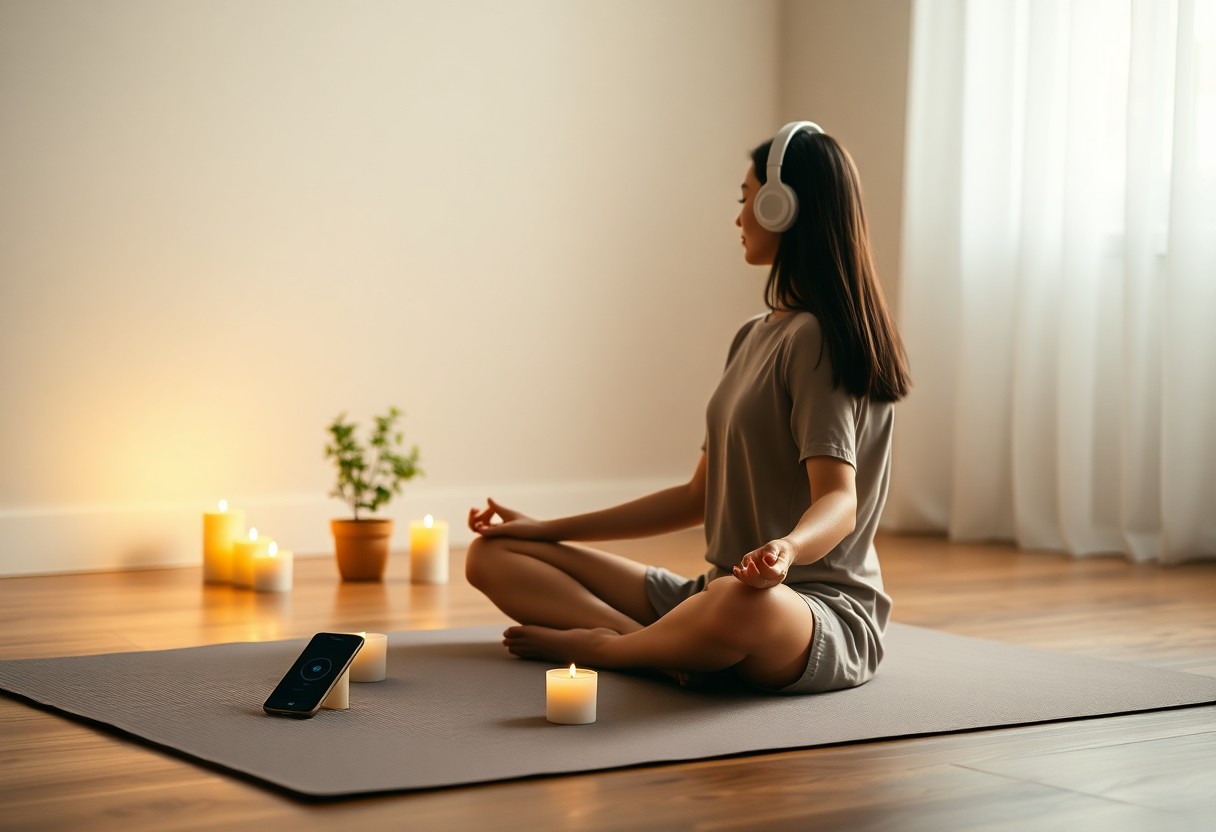
Music and the Meditation Experience
Now, integrating music into your meditation practice can transform your experiences significantly. Music can help set the tone, elevate your mood, and deepen your connection to the present moment. Whether you opt for calming instrumental tracks, nature sounds, or chanting, the right music can enhance your focus and facilitate a more profound meditation experience. By tapping into the emotional power of sound, you create a unique environment that fosters relaxation and mindfulness.
Personal Reflections
Behind every meditation practice lies a personal journey. Music has the unique ability to evoke emotions, serving as a touchstone for your thoughts and memories. You may find that certain melodies resonate with your past, guiding you inwards, while others propel you into a state of blissful tranquility. Paying attention to how different soundscapes affect you can deepen your meditation practice and create a more personalized experience.
Long-term Benefits of Musical Meditation
Between the soothing rhythms and harmonic vibrations, musical meditation offers a wealth of benefits. Regularly incorporating music into your practice can enhance your emotional well-being, improve focus, and reduce stress levels over time. This consistent exposure creates a powerful association in your mind, helping you access a state of calm and clarity whenever you hear those familiar melodies, effectively aiding long-term mental health.
Even though the benefits of musical meditation are often subtle, they are profoundly impactful. You may notice an increase in your *ability to manage stress*, a significant improvement in *overall emotional resilience*, and even a boost in *cognitive function*. By consistently engaging with music during meditation, you create neural pathways that promote a lasting state of *inner peace* and *mindfulness*, ultimately leading to a more harmonious life. Embrace this practice and watch as your relationship with music and meditation deepens over time.
Final Words
Following this guide, you can effectively integrate music into your daily meditation practice to enhance your experience. Choose tracks that align with your intentions, keep the volume at a soothing level, and explore various genres to find what resonates with you. Use music to help clear your mind, deepen your focus, and create a serene atmosphere. Over time, you will discover how these auditory elements can support your journey toward mindfulness and inner peace.
FAQ
Q: How can I choose the right music for my meditation sessions?
A: Selecting music for meditation involves considering your personal preferences and the type of meditation you practice. Look for instrumental tracks that promote relaxation and mindfulness, such as ambient, nature sounds, or soft classical music. It’s helpful to choose music without lyrics, as words can divert your attention. Experiment with different genres and see which resonates with you during meditation. Creating a curated playlist with varying tracks can help you maintain focus and deepen your practice over time.
Q: How should I integrate music into my meditation routine?
A: To integrate music into your meditation routine, begin by establishing a comfortable and quiet space. Start your meditation session by playing your chosen music softly in the background. You can set an intention or focus on your breath while the music plays. Pay attention to how the music influences your state of mind and the depth of your meditation. Adjust the volume as needed, ensuring it enhances your experience without being distracting. Over time, you may find particular tracks that help you achieve a deeper meditative state, making them a staple in your practice.
Q: Is it beneficial to use music during guided meditations?
A: Yes, using music during guided meditations can enhance the overall experience. The right background music can create a soothing atmosphere that complements the guidance you receive. It helps to ease tension and encourages a more relaxed state of mind. When choosing music for guided sessions, opt for subtle, gentle tracks that support the voice of the guide rather than overpowering it. This combination can lead to a more immersive and transformative meditation experience. Try different styles to find what resonates best with you during guided sessions.